
Category

Surgery:

Category

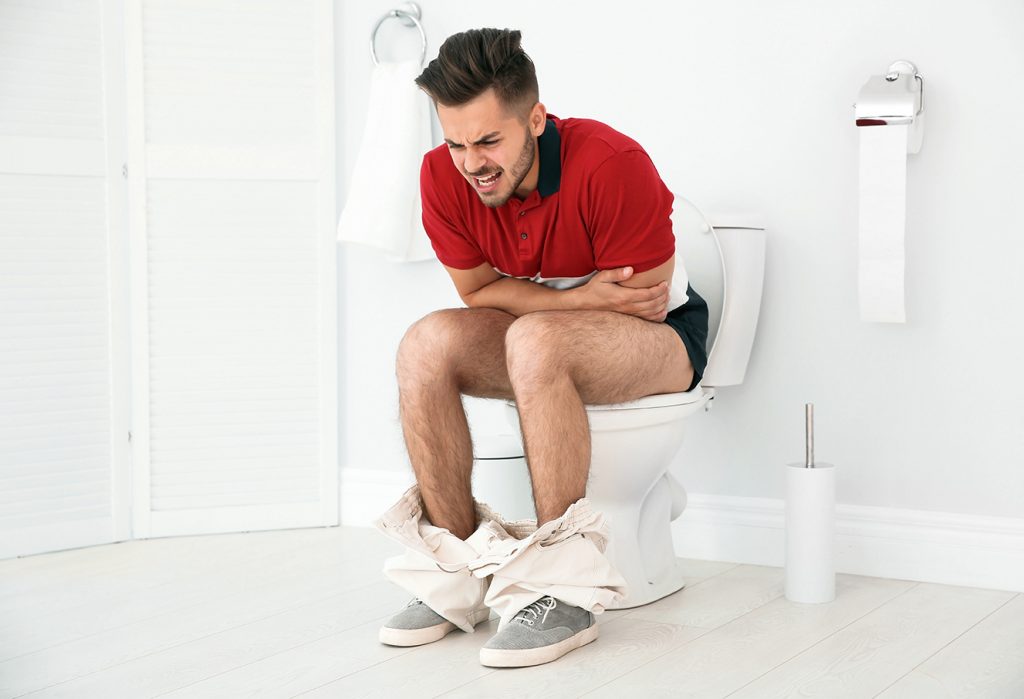
Now and then, you may have come across the term ‘piles’ but it’s a topic that you usually don’t want to discuss with your loved ones. It often doesn’t cause any major obstacles, however, if they do cause any bleeding or unpleasant pain, it’s time to seek proper medical care. Many people have piles but the symptoms are not always obvious. They are most common among adults aged 45 to 65 but this does not mean that young people and children cannot get them. Women are more likely to get them during pregnancy. Let us now dig deeper into getting a better understanding of piles, its symptoms and treatment options available.

What is Piles?

Piles are inflammation of tissues in the anal pathway (canal through which we pass stools). They are a collection of blood vessels, tissues, muscles or fiber. In simple words, they are lumps inside and around your bottom (anus). The size of piles can differ from person to person, and they may be internal or external. Internal piles are usually in the range of 2 cm – 4 cm above the opening of the anus, whereas external piles appear on the outside boundaries of the anus. In some rare cases, people may develop external and internal piles at the same time. Piles are also categorized by their size and severity.
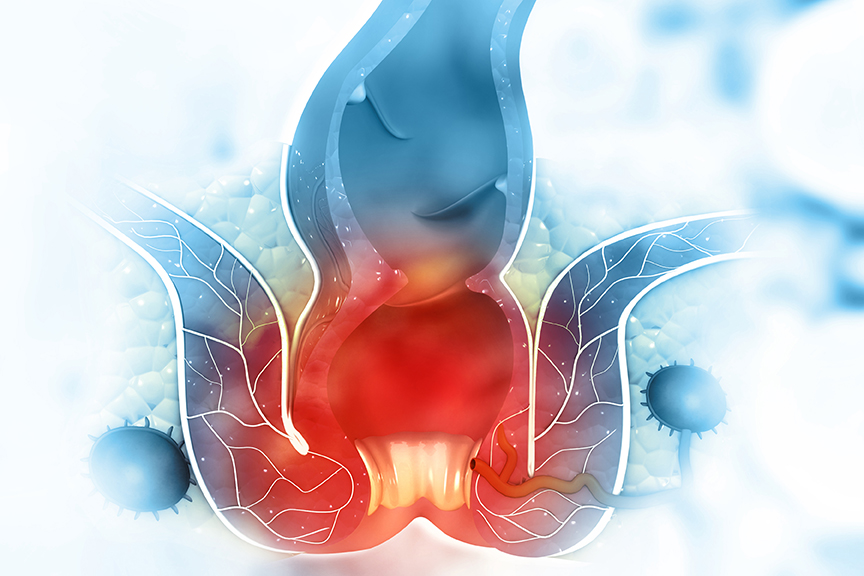
What are the signs and symptoms of Piles?

Small internal piles are normally innocuous. However, larger piles may cause mucous discharge, soreness, irritability, and itch. The most common sign of piles is bleeding post passing stools. Sometimes there are no symptoms at all and you may not even realize that you have one. Nonetheless, a piles patient may experience:

  1. A hard and painful mass which is present around the anus.
  2. Feeling of bowels being full, even after passing of stools.
  3. Noticing bright red blood after passing stools, on the toilet paper or toilet pan.
  4. Itching and inflammation of the anal area.
  5. Pain while passing stools.

More severe symptoms of piles include:

  1. Excessive bleeding from the anus.
  2. Possibilities of severe infection.
  3. Inability to control stool passage.
  4. Anal Fistula (a small tunnel that develops between the end of the bowel and the skin near the anus).
  5. Strangulation where the blood flow stops in the piles causing infection and even formation of a blood clot.

What are the causes of Piles?

Piles are caused due to the increase of pressure in the lower portion of the rectum. Due to increase in pressure, the blood vessels surrounding the back passage (anus and rectum) get stretched, get swollen or form a lump, which is referred to as piles. Also, some are tend to develop for no apparent cause but there are specific circumstances that may certainly increase the chances of one developing piles such as:

  • Long term constipation leading to straining during a bowel movement or prolonged sitting in the toilet. Passing large stools increase the tension in and around the veins.
  • Long term diarrhoea/Chronic diarrhoea; Sitting on the toilet pot for too long can weaken pelvic muscles and increase pressure on you rectum and anus.
  • Frequent lifting of heavy objects – Straining and holding your breath while lifting weights could cause the veins near your anus to become swollen and possibly push through your anus, resulting in the disease.
  • Pregnancy – Piles are common during pregnancy. This is apparently due to pressure impacts of the baby lying above the rectum and anus, and also the effect that the change in hormones during pregnancy can have on the veins. However, this occurrence during the pregnancy often go away after the birth of the child.
  • Being obese – Being overweight increases the risks of developing piles.
  • Unnatural sexual intercourse.
  • Regular consumption of diet poor in fibre content.
  • Cancer in the colon – Some symptoms may include bleeding from the bottom, itching, and pain around the anus.
  • Prior surgery in the rectum area.
  • Injury in the spinal cord.

Your physician can normally detect piles after carrying out a physical checkup. They will check the anus of the person with suspected piles. The session will then be followed up with questions related to your medical history. In the case of internal piles, a digital rectal examination (DRE) or the use of a proctoscope (an instrument used to examine the anal cavity, rectum, or sigmoid colon) is required. A colonoscopy (an exam used to detect changes or abnormalities in the large intestine and rectum) may also be recommended if symptoms of the patient indicate some other digestive disease. 

While piles can be hurting and weakening, they do not pose any ongoing threat to health and can be self-managed up to an extent. However, if the complications are serious and causing unpleasant pain and hindrances in your day to day activities, then proper and immediate medical attention is suggested.


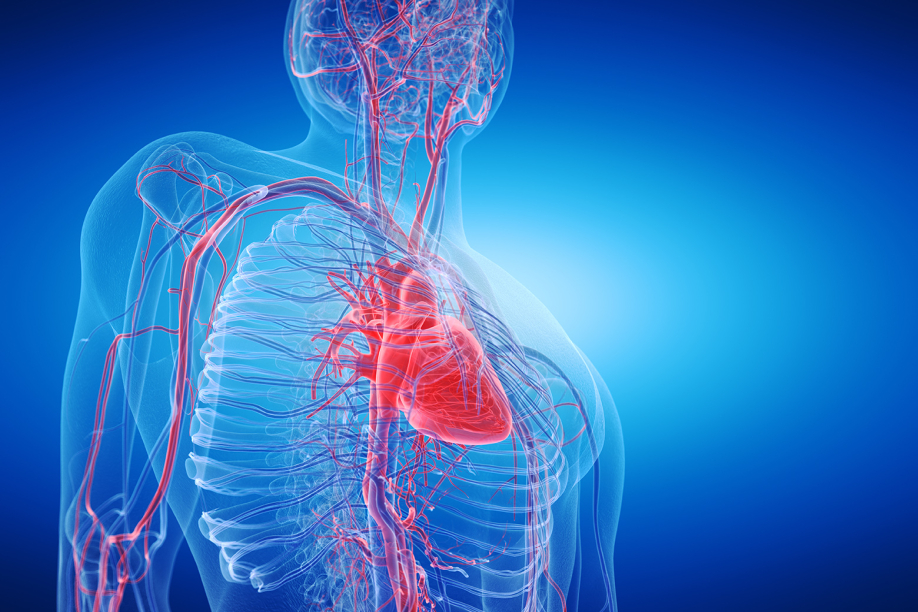
Studies show that heart disease is the leading cause of death worldwide. And, aortic stenosis is the most common valvular heart disease and the third most common cardiovascular disease after hypertension and coronary artery disease in the western world. It is also often referred to as a disease of the elderly however a lot of young adults have also been diagnosed with aortic stenosis. The disease can occur in a single valve or in a combination of the four valves.  Usually, aortic stenosis is most common in heart’s aortic valve and mainly occurs due to the buildup of calcium deposits that narrows the valve.  When it comes to the treatment for aortic stenosis, it completely depends on the severity of the patient’s condition. Suggesting a valve replacement surgery or advising patients with medication and lifestyle changes completely depends on the doctor. But, it is important to understand that no pill can cure aortic stenosis completely but there are few medications that may help in lowering down the risk and complications involved. Let us now look at the treatment choices available for treating aortic stenosis along with its cost in India.

Treatment of Aortic Stenosis

Aortic stenosis is a progressive disease, which means it will get worse with time. Due to this, aortic stenosis is measured as mild, moderate, or severe stages depending on how damaged your aortic valve is. Treatment options for aortic stenosis generally range from simple medications such as statins or surgical repair or replacement of the diseased aortic valve. No pill can cure aortic stenosis, but medication like statins can help you lower your cholesterol which can control your symptoms and lower the risk of heart attack and stroke for some time. However, anyone with aortic stenosis should be checked with an echocardiogram to determine treatment options. Although, medication may be appropriate only for a person for whom surgery is not an option or for someone who’s aortic valve condition is in a very mild stage without any major visible symptoms.

In most of the cases, aortic stenosis treatment requires surgical treatment to protect the heart from further damage. Generally, surgery for aortic stenosis treatment depends on each patient’s unique requirements and factors responsible for their condition. Two of such major surgical treatment options for aortic stenosis include aortic valve replacement and Balloon/surgical Aortic Valvuloplasty (BAV).

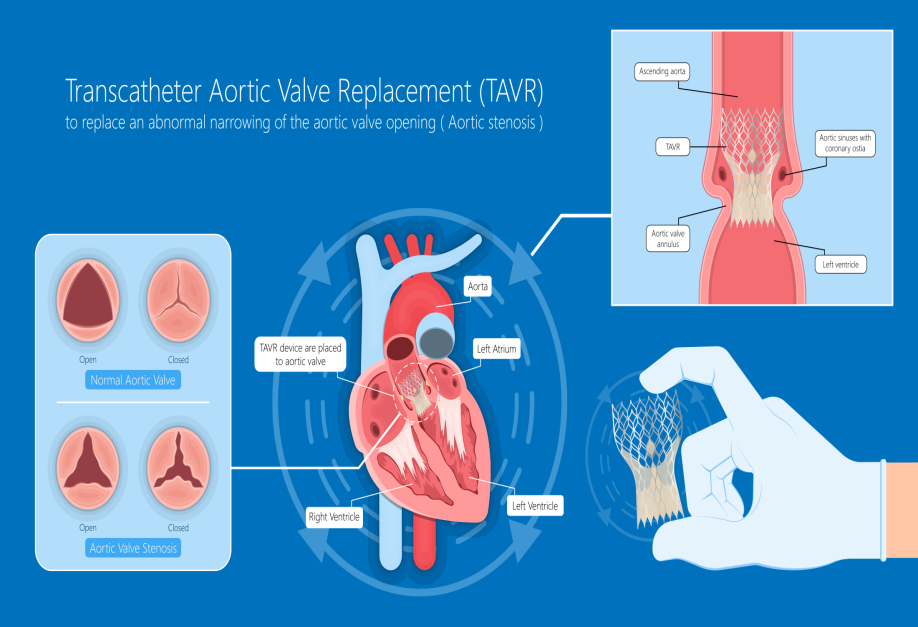
  • Aortic valve replacement: In this procedure, your diseased aortic valve will be replaced with the mechanical valves made of metal or with valve tissue from pigs, cows or human donors using traditional open-heart surgery or Transcatheter Aortic Valve Replacement (TAVR).  Undergoing a TAVR surgery is a better treatment option as it is a minimally invasive procedure involves placement of a new valve over the patient’s diseased valve via a catheter inserted through the femoral artery and hence result in quicker recovery post procedure enabling the patients to go back to their normal lives.
  • Balloon/surgical valvuplasty (BAV): It is a less invasive procedure because it is done by inserting a long flexible tube with a deflated balloon on its tip into the blood vessel from the groin. When the tip reaches the valve, the balloon is inflated which helps to open up the stenotic or stiffed heart valves and increase the blood flow through the heart.

Why consider India for aortic stenosis treatment?

According to doctors, aortic stenosis treatment in India can be obtained at highly economical rates as compared to the Western world. Due to low treatment cost and a high level of expertise for cardiac diseases including aortic stenosis, India has become a leading destination for medical tourism in the world. Generally, the treatment cost for aortic stenosis in India depends upon multiple factors such as the selected treatment procedure, used technology, the severity of the disease, location, pre- and post-operative care demanded and other selected services. However, irrespective of any procedure selected for aortic stenosis treatment such as a SAVR, TAVR or balloon valvuplasty, the cost is less than the hospitals in western countries. People visiting India for treatment are not only from neighbouring countries like Bangladesh, Afghanistan and Nepal but also from far off countries like Kenya, Nigeria, Iraq, Yemen, Kazakhstan, Iran, Uganda and Oman. In India, aortic stenosis treatment is preferably carried out at a number of well-renowned multi-specialty and super-specialty hospitals located across a number of metropolitan cities of India such as Mumbai, Delhi, Chennai, Hyderabad, Pune, etc. These hospitals offer world-class facilities and doctors who are well-versed in performing these surgeries, even in the most challenging situations.

According to global standards, the cost of aortic stenosis treatment in India ranges from a few thousand rupees a month. As per an estimate of 2016, the mean cost for TAVR procedure in the US were 69,592$ vs 58,332$ for SAVR. As compared to these estimates, TAVR cost in India is roughly half (34,900$) to that of the US hospitals. In simpler terms, the cost of TAVR surgery in India is estimated to be 18 to 20 lakhs which is 3 times lower versus any hospital in the western world.

These numbers along with the quality of treatment provided in India and effectiveness of TAVR are clearly responsible for a spike in the numbers of international patients. This means that the trend has clearly changed in the past decade in terms of treating a faulty valve and allowing individuals to live those additional years with greater quality of life or in an improved health state.

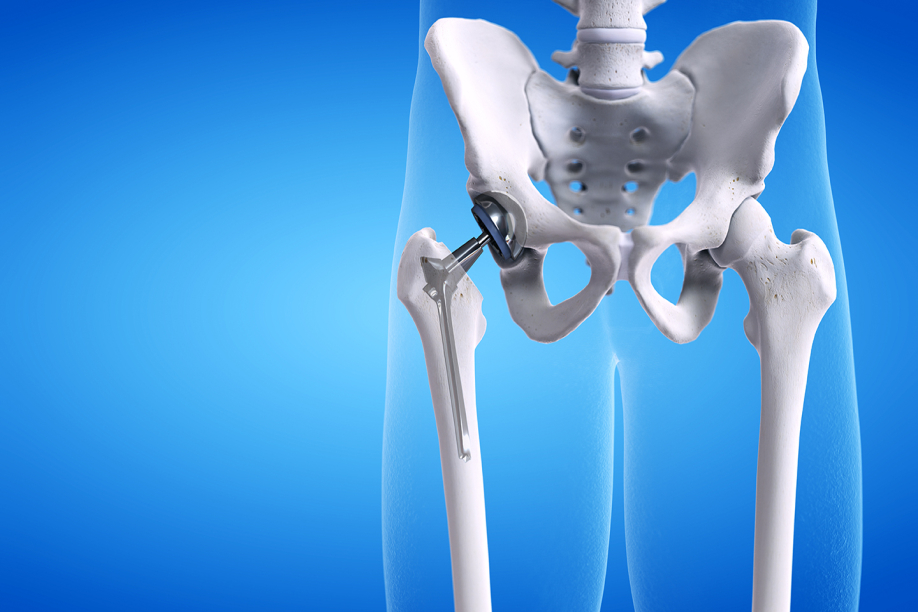
Today, the healthcare industry is simmering with innovation and new ideas. Transformation is happening at an astonishing pace and redefining the way in which patients are treated for any health-related issues. New-age technologies have boosted the success rate and are also turning out to be less invasive as compared to older methods. Especially, when it comes to treating hip pain and improving patient’s quality of life, hip replacement surgery is one of the most advanced and successful procedures in today’s medical space. Traditionally, Orthopaedic surgeons use to prefer a total hip replacement surgery by incising back or on the side of your hip. However, in recent times, surgeons prefer incising a cut in the upper part of the front thigh. This approach is called an anterior approach or anterior hip replacement. These surgeries may likewise be called small mini, modified, minimally invasive, or muscle-saving surgeries. The procedure involves replacing a damaged hip joint with an artificial hip that can be of metal or ceramic.

Though there are various approaches to the hip that can provide an exemplary outcome, over the past several years, the anterior approach has become more popular because of its minimally-invasive technique. Also, it lowers the risk of complexity before, amid and after the surgery. However, adopting this technique is highly preferred in patients with arthritis, but can also be used for patients undergoing THR due to any other reason like hip fracture, disorders that cause unusual bone growth (bone dysplasias), etc. A lateral or posterior hip replacement surgery and anterior hip replacement approach vary in certain ways but both the approaches share the same objective. Both the approaches are devised to provide adequate pain relief from the hip joint and allowing the patient to perform their normal chores with great comfort. Now let’s take a look at some benefits of Anterior Total Hip Replacement.

Benefits of anterior Total Hip Replacement

  • Compared to ancient science, after anterior THR, a patient suffers from less pain without causing much damage to surrounding tendons and muscles, which leads to a rapid and smooth recovery.
  • The patient will no longer need to be kept under observation post-surgery and can be allowed to go home immediately as per doctor’s advice.
  • Once the surgery is completed, it allows an option for the patient to walk out of their bed and cover small distances independently using any walking aid as soon as it’s comfortable.
  • The patient can also navigate through stairs with ease and comfort. While pursuing the stairs, lifting the stronger leg first onto the steps and starting with the weaker leg when coming back down through the stairs helps in preventing dislocation of the new implant. It is common for the patients to use cane, walker or any other equipment for walking assistance immediately after the surgery.
  • With the lateral or posterior approach, patients have to avoid bending and even sitting with their legs crossed for 6 – 8 weeks as this could result in hip dislocation. But with anterior approach patients are not restricted from any of these activities.

Life after anterior Total Hip Replacement

After implementing a successful anterior THR surgery, patients are able to bear weight on their new hip and can walk easily using any walking aid as per their support. The only thing that patients need to make sure is that their home stairs have a guardrail or banister installed, as to avoid any temptation of walking up or down the stairs unsupported. However, patients will need a personal trainer to restore the strength and movement in their joints and surrounding muscles. Mostly it will take up to 4-6 weeks to gain ample strength for the movement and performance of the daily routine activities. One can resume work after anterior THR, as it allows the majority of patients to start working after a month but we would recommend waiting for up to 3 months if it involves physical labour. Patients can expect their lifestyle to be a lot like how it was before having surgery but without the pain.

Summing up, anterior hip replacement by far is less painful and leads to a faster recovery of mobility and strength compared to a lateral or posterior approach. However, the recovery process still involves distinct phases to ensure the tissue is healing properly which will allow optimum functionality. It is important for every patient to know that every case is unique and the progression will completely depend on their unique set of circumstances. But, an anterior hip replacement approach is mostly likely to add more quality to a patient’s life.

TAVR (Transcatheter Aortic Valve Replacement) is a fairly new therapy that has been developed in the last 15 years. It is a minimally invasive procedure invented to replace the diseased valves of the heart. Because of its high success rate and relatively less complicated nature as compared to the open heart approach, today TAVR therapy is at the top of the list when it comes to treating Aortic stenosis. From Europe to the United States to the Asian countries, TAVR therapy clearly is the preferred option for most of the surgeons in the new-age era. 

Earlier, more than 50 percent of patients were not recommended surgery due to various factors such as old age or other medical conditions. With TAVR entering the scenario, it has become easier for patients with complications to opt for better options. While TAVR comes with lower risk, it gives helpful treatment choices to individuals who might not have been otherwise considered for valve replacement. You are more likely to spend less time in the hospital after TAVR and it comes with fewer complications as compared to surgical valve replacement. 

If by any chance you have been lately identified with severe aortic stenosis then need not to panic. The best advice is to seek immediate medical care. The earlier you’ll pay medical attention, the quicker you’ll be able to get back to your normal life. Usually, your doctor determines the best possible way for replacing your faulty valve with a procedure that suits best for you. With TAVR, a small incision is made in the leg and hollow tube called a sheath is inserted into your femoral artery.

The thought of a heart valve replacement can be frightening. Fortunately, the less invasive TAVR is an option for more patients unlike earlier. Presently, only two Indian companies are making valves. TAVR is being performed in around 30 centers in India. Out of these centers, only 7 are considered to be the major ones. This is significantly less than the total number of cath labs present in India. The progress for TAVR in India remains rather slow with barriers at various levels. The probable reasons for such a lower number could be:

  • Reluctance among professionals.
  • Regulatory approvals.
  • Lack of dedicated heart teams and specialized centers.
  • Lack of proficiency in TAVR.
  • Anatomical constraints amongst Indians not suited for the procedure.

As per the latest evidence, the average life expectancy post TAVR largely depends on the age factor of a patient. For example, for a 50-year-old patient, the average life expectancy is 31.5 years while it is just 4.6 years for a 90-year old patient. As per trials, the survival benefits are very limited when treating octogenarians (people between the age of 80-89 years) with TAVR. Also, co-morbid conditions of the patients such as diabetes or hypertension have a significant impact on the survival of patient after TAVR. More importantly, the quality of life in terms of activity and overall health receive a substantial boost after TAVR which is more beneficial in old age as compared to mere living.

The choice to treat aortic stenosis with TAVR is made after you ask a group of heart surgery specialists, who cooperate to decide the best treatment option for you. Without a doubt, TAVR therapy is changing the trend and is already proving to alleviate the signs and side effects of aortic valve stenosis. With local manufacturers entering the space with top-notch products satisfying all the necessary standards, TAVR therapy seems to be the best possible option available for treating aortic stenosis even in India.

The word ‘arthritis’ is used to describe pain, swelling, and stiffness in one or more joints. However, it is not a single condition and there more than 100 types of arthritis and related conditions. The underlying cause varies with specific types of arthritis. It can cause everlasting joint changes and the common joint symptoms may include swelling, pain, stiffness, and decreased range of motion gradually.

These differences may be noticeable, such as lumpy finger joints, but usually, the damage can only be detected on X-ray. Apart from joints, some types of arthritis also affect the heart, eyes, lungs, kidneys, and skin. Although there are numerous types of arthritis, the two most common ones are Osteoarthritis and Rheumatoid arthritis.

Osteoarthritis

Osteoarthritis is a chronic (long-lasting) joint condition, affecting millions of people globally. In this case, the cartilage (protective tissues covering the ends of bones forming a joint) breaks down, causing the bones within the joint to rub together. Other causes may include dislocated joints and ligament injuries.

Signs that you may have Osteoarthritis:

  • Joint stiffness and soreness
  • Grating sensation
  • Bone spurs
  •  Loss of flexibility

Treatment of Osteoarthritis

A) General Management

Patients with osteoarthritis of the hand may benefit from assistive devices and instruction on techniques for joint protection; splinting (a rigid or flexible device that maintains in position a displaced or movable part) is beneficial for those with symptomatic osteoarthritis.

Patients with mild to moderate osteoarthritis of the knee or hip should participate in a regular exercise program (e.g. a supervised walking program, hydrotherapy (water cure) classes) and, if overweight, should follow a healthy and balanced diet. The use of assistive devices can improve functional status.

B) Medical Management

  • Oral nonsteroidal anti-inflammatory drugs (NSAIDs) – Common NSAIDs are ibuprofen and diclofenac; painkillers.
  • Topical therapies – Topical NSAIDs are applied to unbroken skin where it hurts in the form of gels, creams, sprays, or plasters.
  • Intra-articular injections – A term used to define a shot delivered directly into a joint with the primary aim of relieving pain.

C) Surgical Measures

Total hip and knee replacements provide excellent symptomatic and functional improvement when the involvement of that joint severely restricts walking or causes pain at rest, particularly at night. Total Knee Replacement is one of the most common surgeries in the world with a large majority of patients going on to lead rich, happy and healthy lives. It requires a surgery of 1-2 hours followed by a hospital stay of 2-3 days.

The knee is human body’s largest joint and is made up of the lower end of the thighbone, the upper end of the shinbone and the kneecap. A knee replacement includes replacing some or all of the component surfaces of the knee joint with artificial implants. A knee replacement is performed to repair the damaged weight-bearing surfaces of the knee joint caused due to inflammatory diseases or injury. The damage overtime leads to extreme pain and can restrict joint mobility. Knee replacement is a major surgical procedure requiring hospital admission for 2 to 3 days.

Rheumatoid arthritis

Rheumatoid arthritis (RA) is an autoimmune disease; a condition in which your immune system mistakenly attacks your body. It happens when your immune system targets your joints lining. While RA affects joints on both sides of the body such as both hands or both knees, it can also affect your whole body.

Signs that you may have Rheumatoid arthritis:

  • Joint pain, swelling, and tenderness
  • Morning stiffness for at least 30 minutes after waking up
  • More than one joint affected (hands or wrists)
  • Fever

Treatment of Rheumatoid arthritis

The primary objectives in treating rheumatoid arthritis are reduction of inflammation and pain, preservation of function, and prevention of deformity. Success requires early and effective medication. Disease-modifying anti-rheumatic drugs (DMARDs) should be started as soon as the diagnosis of rheumatoid disease is certain and then adjusted with the aim of suppressing disease activity. NSAID drugs are members of a drug class that reduces pain, decreases fever, prevents blood clots, and in higher doses, decreases inflammation and provides some symptomatic relief in rheumatoid arthritis but do not prevent erosions or alter disease progression. They are not appropriate for monotherapy (therapy that uses one type of treatment) and should only be used in conjunction with DMARDs, if at all.

Possible causes of arthritis may include injury, abnormal metabolism, inheritance, infections, or immune system dysfunction. Seek immediate medical care if you have swelling or stiffness that doesn’t go away in a few days or if it becomes too painful to touch your joints. If joint pain isn’t connected to any recent injury, you must immediately consult your doctor.

It’s normal to have joint pain occasionally, but when the pain starts interfering with your daily movements, it’s time to seek medical help. The initial move is to get an accurate diagnosis of what’s causing your joint pain.  You may be later referred to a rheumatologist or orthopedist (Doctors who specialize in arthritis and related conditions). During the medical examination, your doctor may ask questions related to your symptoms and medical history to assess your situation.

Although there’s no particular cure for arthritis, treatments have developed gradually. The treatment for arthritis aims at controlling pain, lessen joint damage, and enhance the quality of life. A variety of medicines and lifestyle changes can help accomplish this and protect joints from additional damage.