Cardiovascular diseases (CVDs) also called Heart diseases are a group of disorders of the heart and blood vessels. The numerous problems causing most of the CVD is atherosclerosis (blockages in coronary arteries), a process mainly governed by lifestyle factors. As per World Health Organization, It is estimated that 17.7 million people died from CVDs in 2015, representing 31% of all deaths taking place worldwide; more people die every year from CVDs than from any other cause. Cardiovascular diseases are showing an increase among the Indian population. CVDs form a significant share of 24% from the 53% of all the deaths attributed to non-communicable diseases (NCDs) in India, as per the nation-wise statistical estimate of the WHO on NCDs.
In older men, nearly all heart attacks are caused by atherosclerotic blockages in coronary arteries. Classical coronary artery disease (CAD) is also dominant amongst young adults. Around 60% of these younger adults are affected by CAD in a single coronary vessel, whereas the older adult patients are more prone to get affected by CVD in multiple arteries. The rate of coronary heart disease in young Indian men is almost twice as high as that in their western counterparts and there is evidence that Cardiovascular diseases (CVD) affect Indians at least 10 years earlier as compared to their counterparts in Europe. CVD stays the number-one danger to the health of women. There is a strong gender difference in CV-related death, with more affected women dying each year as compared to the affected men. The lifetime risk of a woman dying from heart disease is eight times more than that of breast cancer. Also, People with diabetes, particularly type 2 diabetes, may have the following conditions like Hypertension, cholesterol, poor sugar levels etc. that contribute to their risk for developing cardiovascular disease.
Listen to Dr. Nimit Shah as he takes the time to explain the various causes of heart attacks in the country and the different treatments available for the same.
Listen to Dr. Nimit Shah, Interventional Cardiologist in the UK, Dr. Nimit Shah talks about the various risks and benefits of angioplasty, the different kinds of angioplasty procedures, and the different kinds of drug stents available in the country for the same.
Read more about Meril’s state of the art Drug Eluting Stent Evermine50 here: https://bit.ly/331QdkF
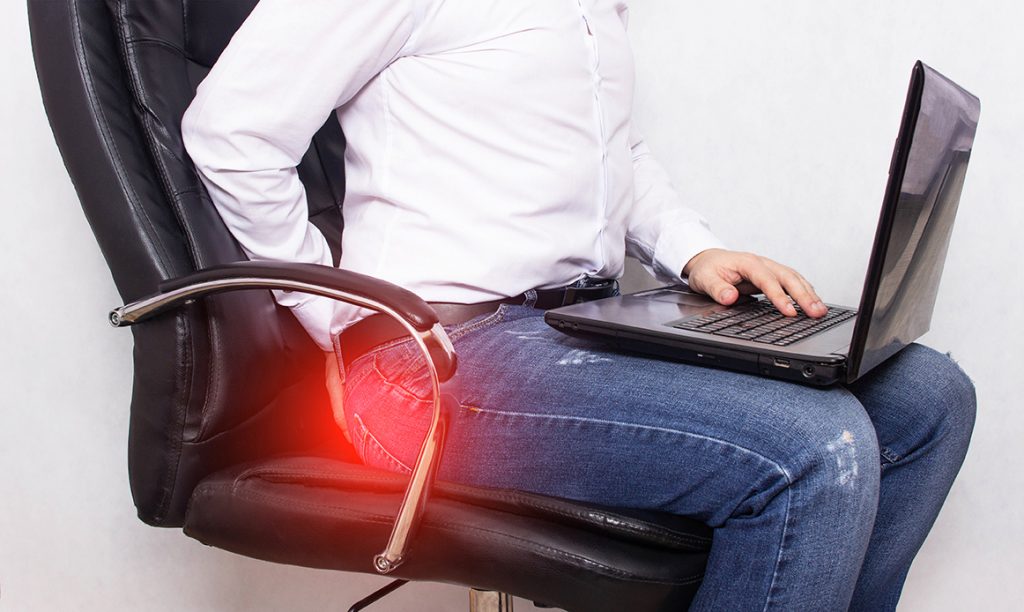
Piles mostly occur due to certain factors such as chronic constipation, chronic diarrhoea, lifting heavy weights, pregnancy, and straining while passing a stool. However, your lifestyle plays a significant role too – what you consume in a day or how regular you are at exercising. Studies suggest that due to the desk-bound urban lifestyle, many people are at an increased risk of getting piles. Thus, making certain changes to your day to day life may help you avoid conditions such as piles. The habits include consuming a high fibre diet, avoiding smoking and drinking, practicing good bowel movements and so forth.
Haemorrhoids may not be the best of the topics to discuss but one in every few individuals suffer from them. Persistent irritation, bleeding, and unavoidable pain are just a few symptoms which can become severe after a certain point of time. Fortunately, there are numerous precautions to prevent piles from interfering with your daily life.
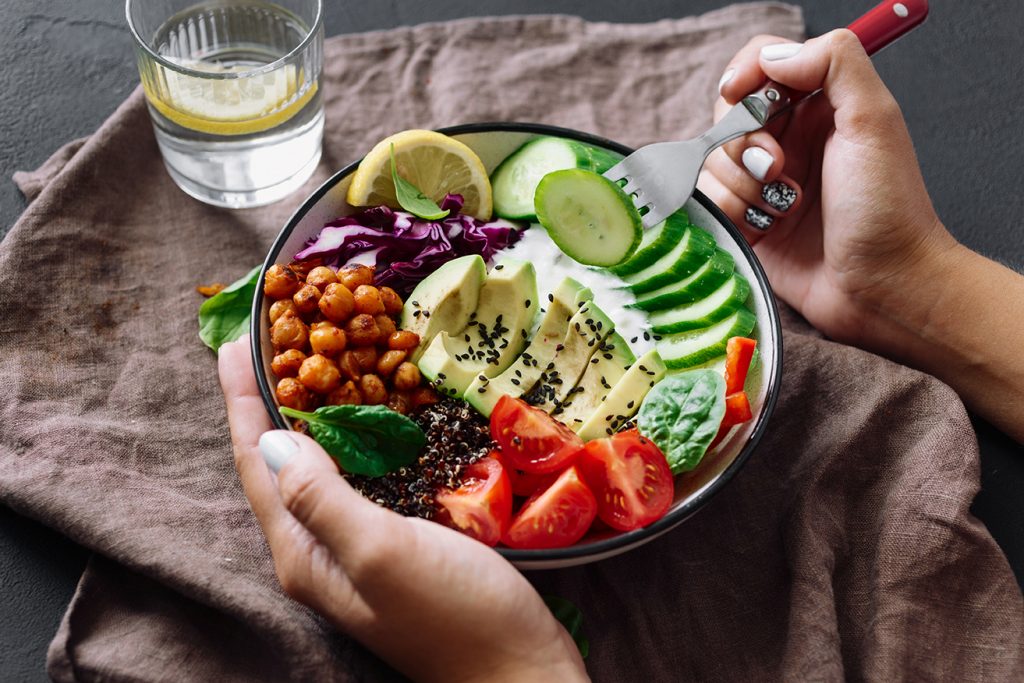
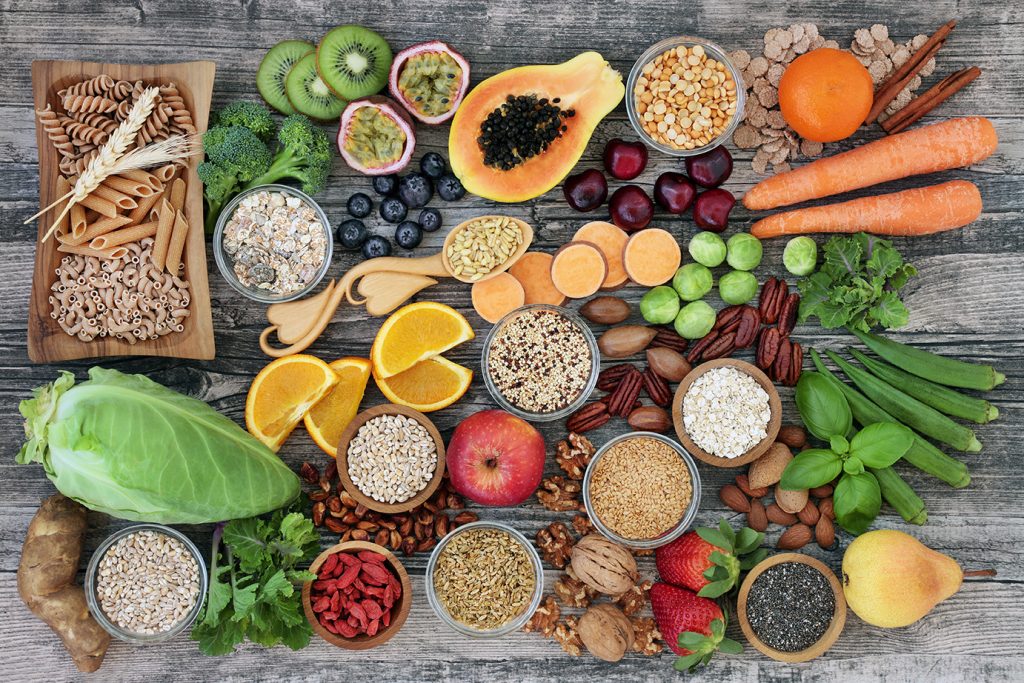
Fibre Rich Diet: One of the easiest ways for a regular bowel movement is to increase fibre intake in your diet. Filling up on fibre and avoiding foods such as fast foods, meat, frozen foods etc. helps people with infrequent bowel movement and chronic constipation. Piles prevention food items such as whole grains, legumes, vegetables, and fruits are loaded with fibre, thus making stools softer and easier to pass and can help prevent hemorrhoids. Patients with a high risk of hemorrhoids should choose high fibre breakfast cereals. Additionally, high fibre supplements are also available for these at-risk people.
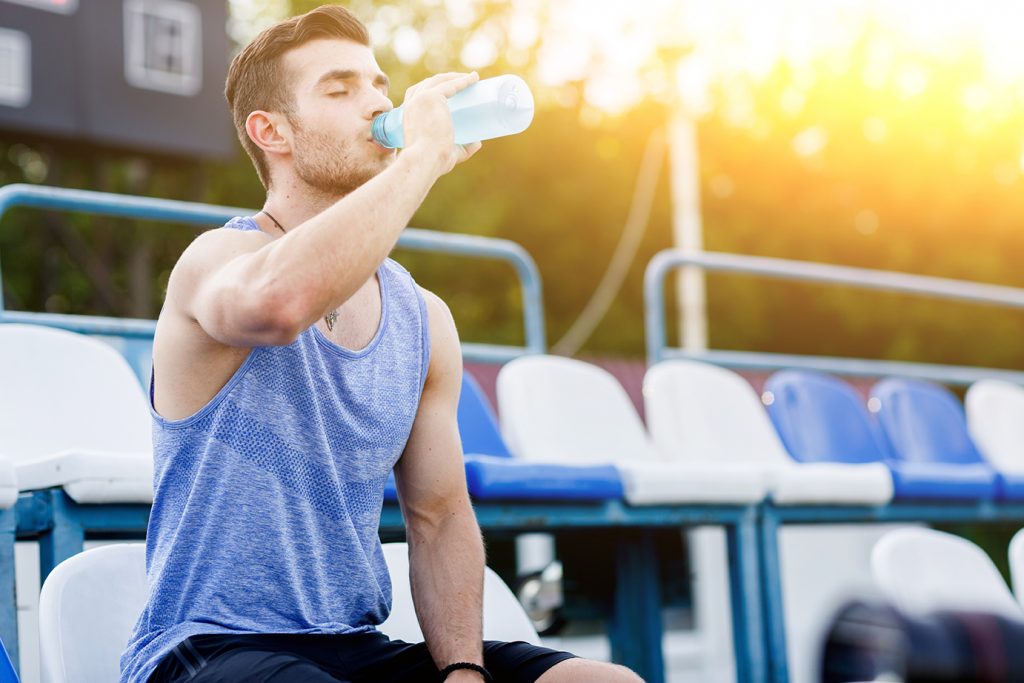
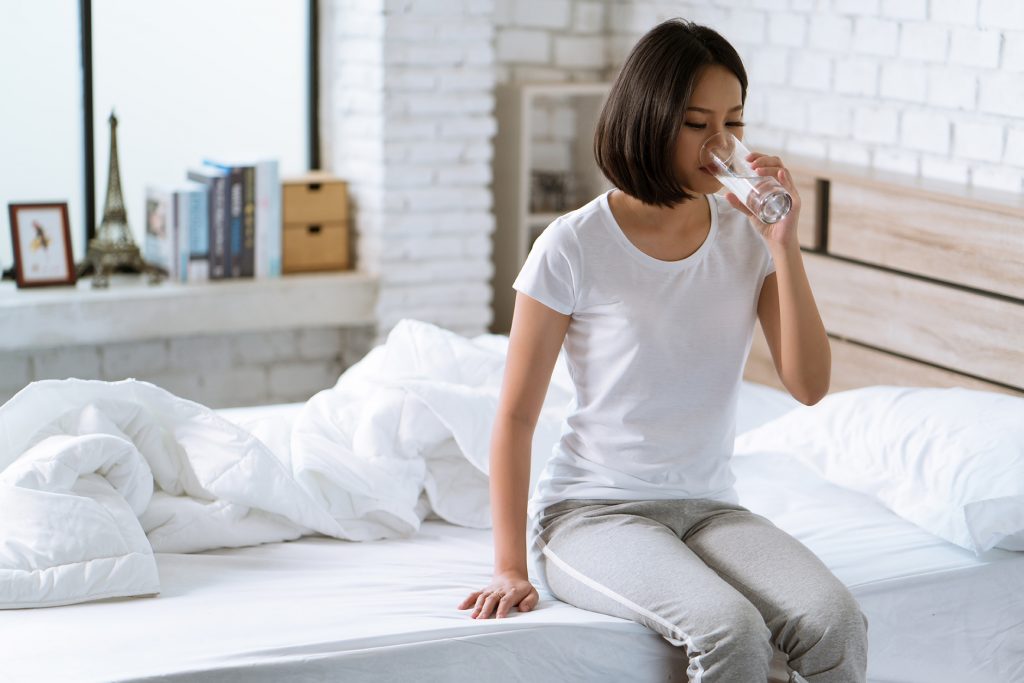
Drink plenty of water: The best way to prevent piles is to consume foods and liquids that make your stools soft so they can pass easily. Drinking eight to ten glasses of water and other liquids may help you with that. This is a non-invasive and simple strategy to prevent them as it is a condition that is mostly linked to dehydration. Drinking sufficient water every day does not just help you with piles but benefits your body entirely.
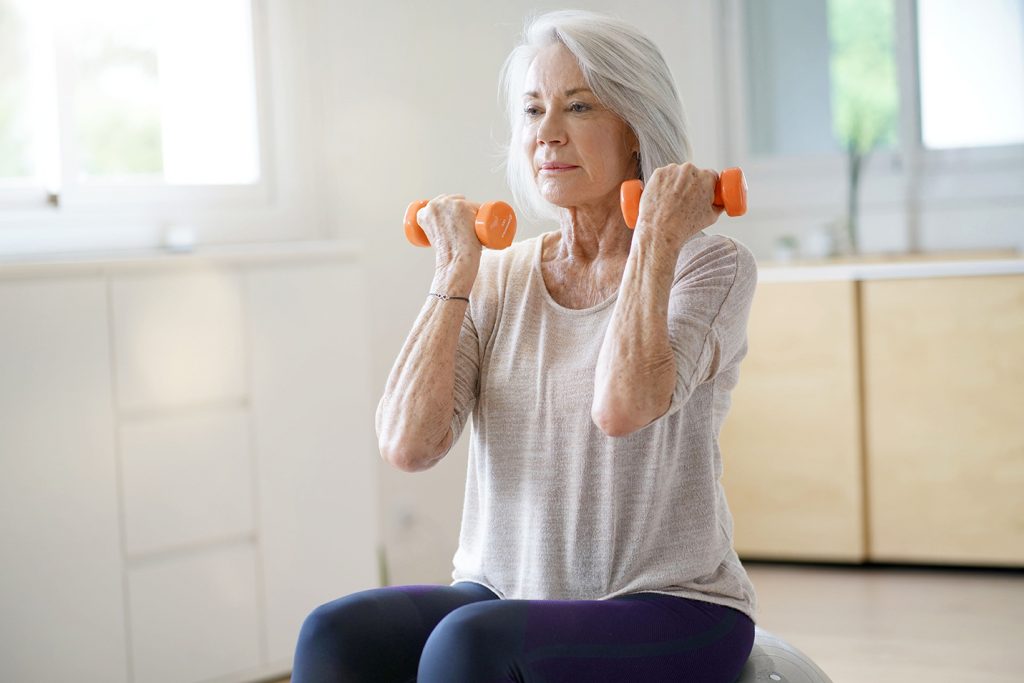
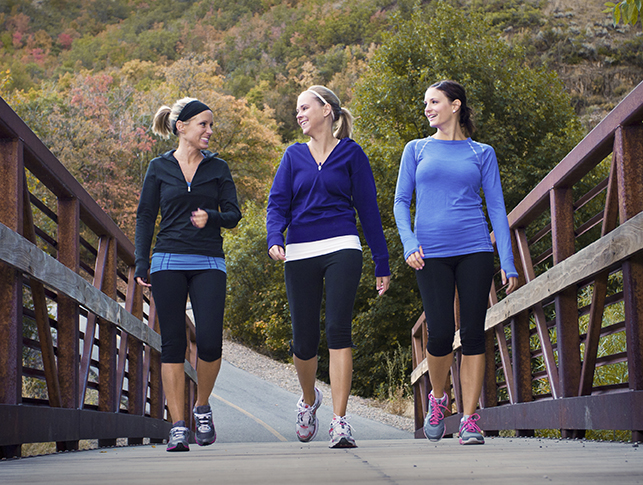
Regular Exercises: Regular exercising helps in bowel movements, improving circulation, and strengthen muscles in the pelvic area and lower back, thus preventing piles. However, if you already have a history of piles, you may want to steer clear of heavy weight lifting and other strenuous exercises. You can opt for light exercises such as yoga or regular jogging/walking.
Don’t make laxatives your friend: Avoid frequent use of laxatives (stool softeners) as they can cause a rise in pressure during bowel movements, thus leading to piles. The overuse of laxatives can lead to dehydration and mineral deficiencies. They can also cause long-term damage to the digestive system.
Don’t hold back: No matter how busy you are or what situation you are in when you have to go, go. Don’t try to suppress your urge to empty your bowels as it is one of the simplest ways to prevent hemorrhoids. If you feel you have to pass your stools, immediately do so as holding your urge for a prolonged period may later cause straining during bowel movements.
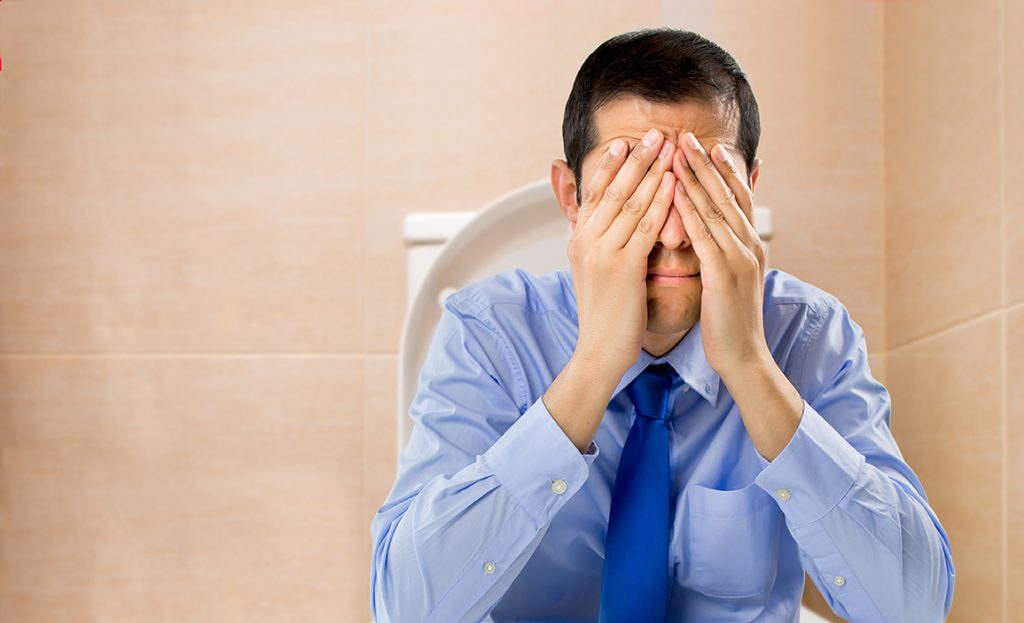
Avoid straining: Straining isone of the most common causes of painful and bleeding piles. Don’t excessively strain and put extra pressure during bowel movements as it may be harmful for you. Other reasons for straining could be pregnancy, chronic cough, and lifting heavy objects.
The above mentioned points may help prevent piles but they cannot cure them. If you think that you have the same symptoms as that of piles, then consulting your doctor must be your first step. Avoid exacerbating your signs with these steps. Consult your doctor if you’re experiencing severe pain, light or heavy bleeding after passing stools and if the patient is a child below 12 years of age.
Hemorrhoids are affecting more and more people in India because of stress, insomnia, constipation, and a growing inclination for fast food in the sedentary lifestyle of urbanites. Every year, almost 10 million people in India suffer from pain caused by piles. In the majority of the cases, hemorrhoids resolve on their own by simple lifestyle modifications. But the patients who are distressed due to large, swollen, and prolapsed pile may have to be treated with surgery. And, if you have recently undergone a haemorrhoid surgery then you must know the difficult part is over. Now, all you need to do is take care of little things to make the recovery faster and smoother.
Typically, the recovery from a piles treatment or surgery lasts one to six weeks, depending upon the severity of the hemorrhoids, the type of treatment, and the number of hemorrhoids removed. Most of the patients begin to feel better by the end of the first week, especially when the patient can keep their bowel movements smooth or a little loose. Mostly, the doctor may recommend a stool softener, a laxative, or both to prevent straining with bowel movements. During the recovery, pain can be critical if the stool becomes hard or if straining is needed to have a bowel movement. It is highly recommended to have a good routine to avoid constipation after piles operation. One should even remember that the medications that are prescribed to the patient for the recovery period can also cause constipation, so who usually takes constipation medication may need more than their typical regimen to prevent constipation. Let us now take a look at a few factors that one must consider and what is considered as a strict No-No post a piles surgery.
Here are some effective steps, one should take to promote faster healing post a haemorrhoid surgery.
Only after a few days of surgery, the patient can return to regular foods and gradually increase the amount of fibre in their diet.
The patient should stay hydrated by drinking 8-10 glasses of water per day.
It is recommended to use stool softener so that the patient won’t have to strain during a bowel movement.
After the piles surgery, practising Kegel exercises (contraction and relaxation of anal opening) for 3-4 times a day can reduce the false sensation of defecation.
The patient should make some lifestyle changes like losing weight, maintaining balanced diet, etc.
Taking a small walk and drinking at least 2 glasses of water can help the patient feel the urge and pass soft stools in the morning.
The patient should take sitz baths at least 3-4 times a day to keep the anal area clean.
Applying medicines to numb the area before and after bowel movements can help reduce pain or discomfort caused by the surgery.
Patient must exercise regularly or have basic to medium level of physical activities to avoid stiffness and other health issues.
Things to avoid after a piles surgery
Here are some points that should be avoided in order to minimize the pain and prevent the recurrence of the hemorrhoids after the surgery.
The patient should not consume anything for 4 hours after the piles operation. Later, start with liquids and eat a bland diet (plain rice, bananas, applesauce, etc.).
Avoid strenuous activities that include heavy lifting, running, jogging, football, and cycling, etc. for 1-2 weeks after the surgery.
The patient should avoid straining for a longer time during your bowel movements.
It is advisable to avoid the use of dry toilet tissue. Instead, the patient can use wet cotton to clean themself
Stop eating foods that cause constipation, such as cheese, white bread, dairy products, process food, etc.
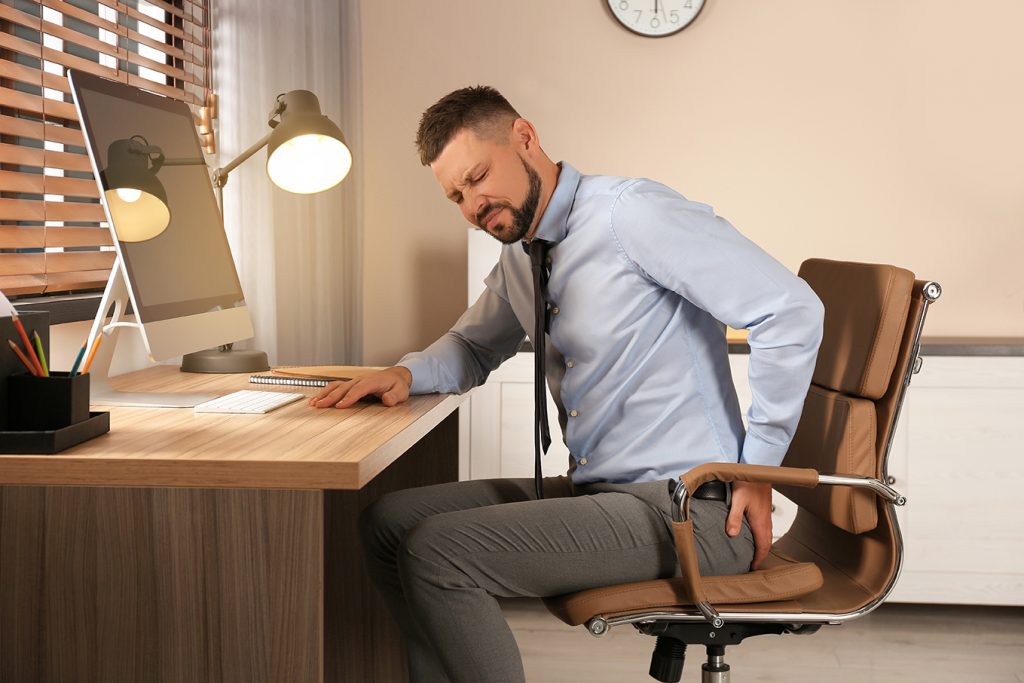
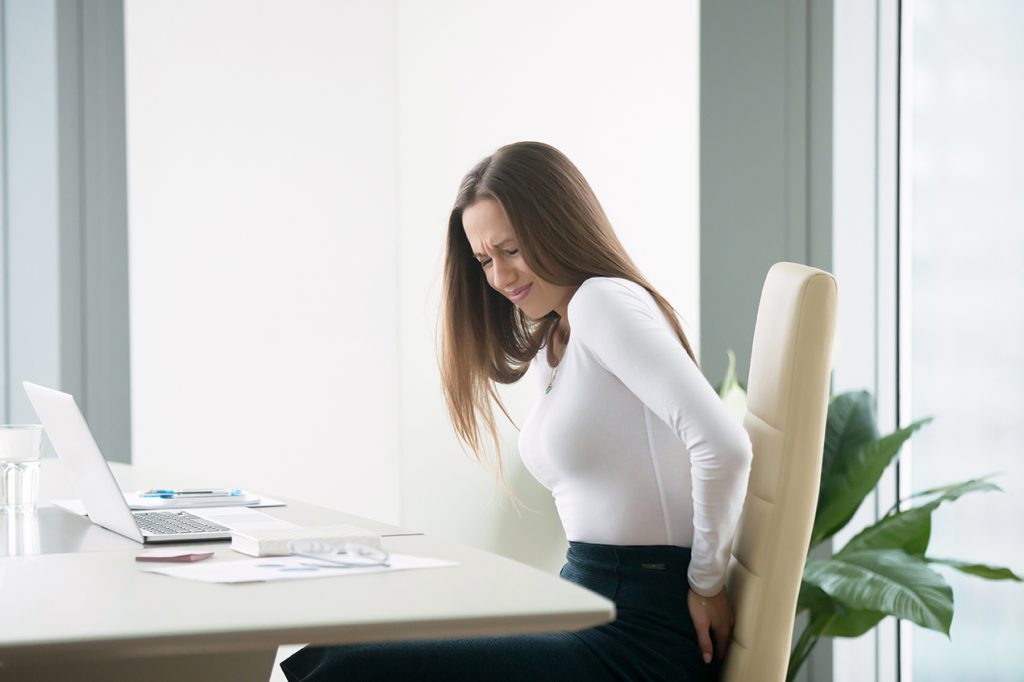
The patient should avoid sitting for a long period.
Usually, surgery cures piles. But the long-term success of a piles surgery depends a lot on your ability to make changes in your daily lifestyle and bowel habits to avoid constipation and straining. However, not all hemorrhoids can be prevented, but following these dietary and lifestyle recommendations can help you prevent the recurrence of hemorrhoids and avoid further treatment.
Hemorrhoids, usually known as piles, are caused due to swollen veins around the anus or in the lower rectum. Every year, almost 10 million people in India suffer from this disease due to numerous factors such as stress, insomnia, constipation, and a growing inclination towards fast food. Studies suggest that every second individual in this world experience piles between the age of 45-60 and many women experiences it during their pregnancy.
Some of the symptoms to diagnose piles include extreme itching, irritation, painful bowel movements, and blood in stools. Although the risk factors are still not determined, some of them may include straining during a bowel movement, complications from chronic constipation, and sitting for a longer period. Hemorrhoids can also be passed on genetically, so if you have a family history of piles, it’s most likely that you may develop them too.
Diet plays a vital role in treatment of piles; people who consistently consume a fibre rich diet are less likely to get the disease than the ones blindly following the junk food culture. The studies suggest that people these days need to inculcate good food habits to combat problems like hemorrhoids.
If you’re experiencing extreme pain or any of the symptoms mentioned above, then consulting your primary physician must be the first step. Your doctor generally can diagnose piles during routine physical examination. The doctor will check the area around your anus for
lumps or swelling,
internal hemorrhoids that have fallen through your anal opening, called prolapse
external hemorrhoids with a blood clot in a vein
anal fissures—a small tear in the anus that may cause itching, pain, or bleeding
Leakage of stool or mucus
Skin irritation etc.
The doctor will perform a digital rectal exam to examine external hemorrhoids, however, diagnosing internal piles may include an examination of your anal canal and rectum. Doctor examines your anus through a tube fitted with a light at its end, called a proctoscope. An endoscopy can also be recommended for a detailed evaluation and to rule out any other digestive tract disorders.
Piles may not show symptoms in many individuals at all times. You can often alleviate the mild pain and inflammation of hemorrhoids with home remedies. If detected at an early stage, it can be cured with just medication and simple lifestyle changes. However, if the symptoms are severe and pain is unbearable, the following medical treatment options for piles can assist you in curing them.
In majority of the cases, it resolve on their own. However, some anti-itching topical agents can significantly minimize the discomfort in patients.
Several OTC (Over-the-counter) products, such as painkillers and topical anti-inflammatory agents can help in minimizing redness and swelling surrounding the anus.
Taking laxatives (substances that loosen stools and increase bowel movements), upon doctor’s advice can help a patient with constipation for easy defecation.
In the later stages, surgery is a must and there are various surgical procedures available for the treatment of piles.
As mentioned above, some of the home remedies for the treatment of piles include eating high fibre foods such as fruits, vegetables, and whole grains, using topical treatments, and doing regular pelvic floor exercises. For continuous bleeding or painful hemorrhoids, your surgeon might advise other minimally invasive procedures available. Although only a small section of individuals suffering piles require surgery if any other procedure hasn’t been successful, your surgeon may recommend one of the following:
Haemorrhoid removal: In this procedure, you will be given general anaesthesia to combat pain. Incisions are made in the tissue surrounding the haemorrhoid. Then the swollen vein is tied off to prevent bleeding and the haemorrhoid is removed.
Haemorrhoid stapling: This procedure is used to treat prolapsed hemorrhoids. A surgical staple fixes the prolapsed haemorrhoid back inside your rectum while cutting off the blood supply so that the tissue will shrink and be reabsorbed. Stapling recovery takes less time and is less painful than recovery from a hemorrhoidectomy.
Summing up, taking utmost care of yourself post-surgery should be your priority. Maintaining a healthy lifestyle including a balanced diet is paramount. Though you can expect some pain post a haemorrhoid surgery too but with proper treatment and following all the necessary doctor guidelines will gradually reduce the impact of the pain on your road to recovery. On the other hand, if you haven’t diagnosed piles yet then it is important to know that Hemorrhoids don’t always come with symptoms, so you may not realize you have them but in case you start experiencing any discomfort like itching or difficulty in passing stool and your personal attempts to treat them don’t show positive results then it’s better to let your doctor know.
Piles are an extremely common problem these days due to lifestyle changes. So if you have been experiencing extreme trouble due to this disease, then visiting your primary care physician should be your first step. Piles are usually self-diagnosable with some common symptoms such as itching, bleeding, and discomfort especially during bowel movements or when sitting. Your doctor might be able to observe external piles while diagnosing internal ones might require examination of your anal canal and rectum. It is of crucial importance to have a correct diagnosis before you decide to undergo any treatment for piles.
If detected at an early stage, haemorrhoid can be treated with just medication and lifestyle changes such as consumption of high-fibre diet to prevent constipation, taking OTC (Over-the-counter) medicines such as creams (Hydrocortisone – a medication used to treat redness, swelling, itching, and discomfort), painkillers, etc. Majority of the piles go away without any treatment, however, many patients require surgical treatment of piles due to extreme discomfort and severe condition. The nature of the treatment in piles depends upon the stage of the underlying condition. There are various surgical procedures available to treat this problem, however, as far as medical treatment is considered, the following options can help in treating piles:
Some anti-itching topical agents can significantly minimize the discomfort in patients.
Several OTC products, mainly painkillers and topical anti-inflammatory ointments can help in minimizing redness and swelling surrounding the anus.
Taking laxatives (stool softeners), upon your doctor’s advice can help a patient with constipation for easy defecation.
For constant bleeding or severe pain, your physician might suggest one of the other minimally invasive procedures available including:
Rubber Band Litigation: A procedure in which the piles is tied off at its base with rubber bands, cutting off the blood flow to it. This treatment is only for internal piles.
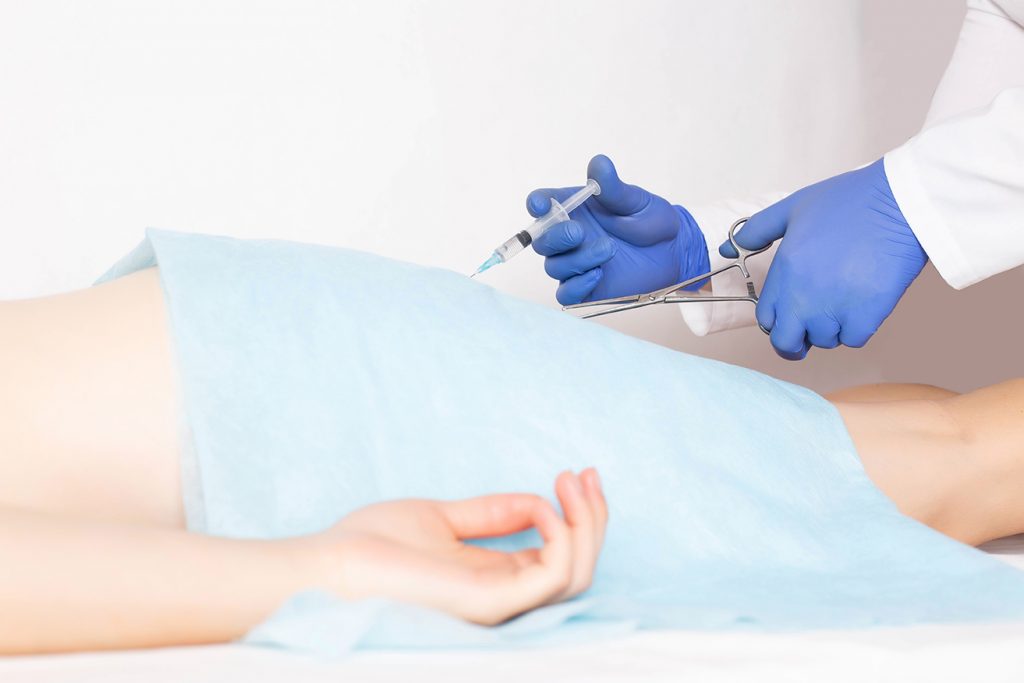
Sclerotherapy (Injection): Your doctor injects a chemical solution into the haemorrhoid tissue to shrink it. While this procedure causes very little or no pain, it might be less effective than rubber band ligation.
Coagulation (infrared or laser): This treatment is for internal piles. The technique uses a laser or infrared light to harden and shrivel the internal piles.
The two most common surgical treatments for piles include Haemorrhoidectomy and Stapling. Amongst these two surgical interventions, removal of piles using haemorrhoid/piles stapler has been reported as the best outcome so far in terms of performance, safety, and ease of recovery. Only a small percentage of individuals with piles require surgery. However, if other methods have been ineffective or you have large piles, your doctor might recommend one of the following:
Haemorrhoidectomy: Haemorrhoidectomy refers to the surgical removal of internal or external haemorrhoid. The patient is usually kept under general anaesthesia. This method is considered to be the most effective way to treat severe or recurring haemorrhoid.
In this method, piles are diagnosed and removed using a sharp instrument or laser and the wounds are then closed by stitching. Post-surgery, the patients are advised to take sitz bath – a therapy done by sitting in warm water, avoid becoming constipated and use mild painkillers. As every procedure comes with minor complications, the potential complications in haemorrhoidectomy include:
Pain in the operated area
Urinary tract infection
Urinary retention (difficulty urinating)
Faecal incontinence (leakage from the bowel)
Faecal impaction (constipation for a long time)
Stapling: This method is an alternative to haemorrhoidectomy and is also used for prolapsed piles. The procedure includes stapling the last section of the large intestine, which reduces blood supply to the piles and causes them to slowly shrink. It also lowers the likelihood of haemorrhoids prolapsing. Stapling generally involves less pain than the other procedure and allows an earlier return to your regular activities.
Opting for a right treatment option completely depends on the severity of the condition and should be considered after consulting with your doctor. Post the surgery, it’s highly expected to have some light bleeding and yellow fluids from your anus. These signs may keep going from 1 to 2 months post the procedure. After 1 to 2 weeks of surgery, you should be able to return to your normal life. However, taking care of yourself post piles surgery should be of utmost importance. You can expect mild pain after the surgery. You can aid in your own recovery by consuming a high fibre diet, staying hydrated, and using a stool softener after consulting your doctor.