
Category

Sinusitis

Category

Winter is a season of cosy sweaters and warm beverages, but for many people, it also brings unwelcome sinus troubles. If you’re someone who suffers from chronic sinusitis, the cold season can feel especially challenging. The colder months often aggravate sinus symptoms, making it harder to breathe comfortably and enjoy the season. Managing sinusitis effectively during this time is essential for better health and quality of life. Let’s understand what chronic sinusitis is, why it worsens in winter, and the steps you can take to manage it.

What is Chronic Sinusitis?

Chronic sinusitis is a condition where the lining of your sinuses stays inflamed for three months or longer, even with treatment. This inflammation blocks the normal drainage of mucus, leading to nasal congestion, difficulty breathing, and other uncomfortable symptoms. [1] Unlike acute sinusitis, which clears up quickly, chronic sinusitis can persist or recur, often requiring consistent management to keep symptoms at bay.

Why Cold Weather Aggravates Sinusitis

Cold weather can worsen chronic sinusitis for several reasons:

  • Dry Air: Winter air is often dry, which can irritate the sinus lining and make it harder for mucus to drain.
  • Temperature Changes: Moving between warm indoor spaces and the cold outdoors can cause blood vessels in your nasal passages to expand and contract, leading to sinus pressure and congestion.
  • Increased Allergens: Dust mites, mold, and other indoor allergens can become more prominent during winter as we spend more time indoors.
  • Weakened Immune System: The cold season often brings colds and flu, which can trigger or worsen sinus symptoms.

Understanding these factors can help you take preventive measures to minimize flare-ups during the colder months.

Common Symptoms of Chronic Sinusitis in Winter [2]

If you’re dealing with chronic sinusitis during the cold season, you might notice symptoms such as:

  • Persistent nasal congestion or a blocked nose.
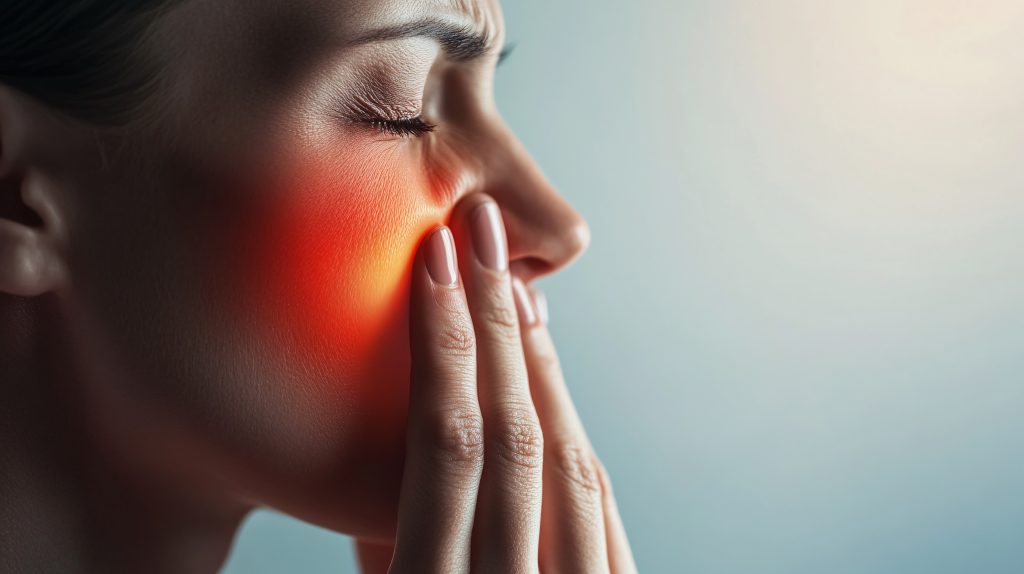
  • Facial pain or pressure, especially around the eyes, cheeks, and forehead.
  • Thick nasal discharge that may be yellow or green.
  • Reduced or complete loss of sense of smell.
  • Headaches or a feeling of heaviness in the head.
  • Coughing, this often worsens at night.
  • Fatigue and a general feeling of discomfort.

These symptoms can interfere with daily life, making it important to address them early.

Preventive Measures to Minimize Sinusitis Flare-Ups

  • Stay Hydrated: Drink plenty of water to keep mucus thin, making it easier for your sinuses to drain.
  • Use a Humidifier: Adding moisture to the air can stop your sinuses from drying out and becoming irritated.
  • Avoid Sudden Temperature Changes: Don’t rush from cold to warm environments or vice versa; transitioning gradually can help prevent sinus irritation.
  • Keep Your Space Clean: Dust and mold can worsen sinus issues, so make it a habit to regularly clean your home.
  • Wash Your Hands Often: Good hygiene helps keep colds and infections at bay, which can trigger or worsen sinusitis.

With these simple habits, you can give your sinuses some much-needed relief this winter!

Home Remedies for Managing Sinusitis Symptoms

Simple home remedies can provide much-needed relief from sinusitis symptoms:

  • Steam Inhalation: Breathing in steam can help open up nasal passages and reduce congestion. Add a few drops of essential oils like eucalyptus for extra relief.
  • Saline Nasal Spray: Using a saline solution to rinse your nasal passages can help keep your sinuses moist and remove irritants.
  • Warm Compress: Applying a warm compress to your face can ease facial pain and reduce sinus pressure.
  • Stay Warm: Protect your head and nose from cold air by wearing a scarf or hat when outdoors.

Lifestyle Changes for Better Sinus Health

  • Eat a Balanced Diet: Include foods rich in antioxidants and vitamins to boost your immune system.
  • Exercise Regularly: Moderate exercise can improve blood circulation and reduce sinus pressure.
  • Quit Smoking: Smoking irritates the nasal passages and worsens sinusitis. Avoid exposure to secondhand smoke as well.
  • Get Adequate Sleep: Rest helps your body recover and strengthens your immune system, reducing the likelihood of sinus infections.

Advanced Treatments for Severe Cases

If chronic sinusitis persists despite trying other treatments, advanced options may be necessary. These could include:

  • Balloon Sinuplasty: A minimally invasive technique to clear clogged sinuses and improve drainage.
  • Endoscopic Sinus Surgery: This surgical option removes blockages or polyps to restore normal sinus function.

While these treatments are effective, they are usually recommended only when other methods fail to provide relief.

When Should You See a Doctor?

Sometimes, sinusitis symptoms can go beyond what you can manage at home. It’s a good idea to seek medical advice if you notice:

  • Severe pain or swelling in your face.
  • A high fever that just won’t go away.
  • Symptoms lingering for more than 12 weeks.
  • Changes in vision or confusion might signal a more serious issue.
  • Repeated sinus infections even after trying preventive measures.

If any of these sound familiar, don’t wait. A doctor can help you figure out what’s going on and guide you toward the best treatment plan.

Conclusion

Managing chronic sinusitis during the cold season may feel overwhelming, but with the right approach, you can reduce symptoms and enjoy a more comfortable winter. From preventive measures and home remedies to advanced treatments, there are plenty of ways to protect your sinuses and maintain good health.

References:

[1]  https://www.mayoclinic.org/diseases-conditions/chronic-sinusitis/symptoms-causes/syc-20351661#:~:text=An%20infection%2C%20growths%20in%20the,%2C%20cheeks%2C%20nose%20or%20forehead.

[2] https://www.mayoclinic.org/diseases-conditions/chronic-sinusitis/symptoms-causes/syc-20351661


Introduction

Many of you must have experienced that typical sensation triggering a varied range of pain in the parts of your head. The pain creates inconvenience, stress, and discomfort, hampers the routine, and makes daily activities challenging. This pain in the head and face area is termed a headache. The pain may be in different parts of the head with varying duration and symptoms. Headaches are common, and some people are more prone than others. However, its frequency and associated symptoms must be monitored to prevent them from worsening to severe health conditions. 

Headaches may result from environmental changes or routine changes, like exposure to excessive noise, heat, or fast observation. Sometimes, they may be the symptom of underlying disease, as in the case of sinusitis. The cause of headaches could be different. The difference in the type of headaches must be understood to treat it effectively and timely. 

The present blog discusses sinus headaches, how they are different from other headaches and their treatment options to enable readers to make informed decisions about treating specific types of headaches effectively.

Types of Headache

The throbbing pain of headaches is known to many; its severity, symptoms, and treatment may differ depending on its type. The different types of headaches are –

  • Migraine headache is a reoccurring headache with pain on one side. It often comes with blurry vision, heightened sensitivity to light and sound, or nausea and vomiting.
  • Tension headaches are often caused by stress, tension, and anxiety with symptoms of pain, tenderness in the head, face, and neck, and sensitivity to light and/or sound.
  • Cluster headache is a severe and recurring headache, with symptoms of watery eyes, blocked nose, and swelling eyelids.
  • Hormone headache is also known as menstrual headache and is caused in women due to hormonal changes.
  • Sinus headache is caused by an infection in the sinuses.
  • Hypnic headache usually occurs in old age with no specific cause identified.
  • Rebound headache is a secondary type of headache caused by overuse of medications. It may subside with medication but reoccurs.

What is a sinus headache?

A sinus headache is caused when the sinuses get inflamed and blocked due to infection and cannot drain the mucus from the nasal passage. The resultant pressure in the sinuses causes pain in the head. A sinus is a space inside the forehead, cheeks, and behind the nose. The space is filled with air, which helps drain the mucus, keeping the nasal passage clear from bacteria and other types of infection. The condition of infection and inflammation in the tissue lining of the sinuses is known as sinusitis. Sinusitis is caused by viruses, bacteria, allergens, or fungi infection. 

How is sinus headache different from other types of headaches?

Headaches due to sinuses are often mistaken for other types of headaches like migraine, tension headaches, and hypnic headaches, to name a few. However, the cause, symptoms, severity, and duration of the headache help determine the type of headache.

  • Sinus headaches and migraines are often confused due to shared symptoms like watery eyes, pressure on the face, congestion, pain while bending forward, or runny nose. Migraine causes pain on one side of the temple, eyes, and back of the forehead. It is associated with sensitivity to loud noise, bright lights, nausea, and vomiting. The pain lasts for hours or a day or two.
  • Similarly, tension headaches caused by stress, fatigue, anxiety, and exposure to sound last for a few hours. The pain is felt in the entire head and is mild or moderate. It affects the back of the head, the neck, and both sides.
  • The rebound headache caused by overuse of medications is often accompanied by nausea, vomiting, restlessness, loss of memory, and irritability. Pain-relieving medications help relieve the pain for the time being, and the headache rebounds when its effect is gone. The overuse of pain relievers triggers headaches.
  • On the other hand, a sinus headache caused by infection is followed by fever. It causes thick discoloration of mucus discharge, cough, pain in the cheeks and teeth, or loss or decrease in sense of smell. It lasts for days or weeks, depending on the type of sinusitis.

How to treat a sinus headache?

The treatment options for each type of headache are different and unique. One must avoid trying to treat one type of headache with the treatment option of the other and prevent its worsening.

Sinus headaches must be treated with an effective diagnosis of the underlying causes and symptoms through allergy tests, X-rays or CT scans. Risk factors like allergies, colds, exposure to smoking, weakened immune system, and structural nasal deformity need to be understood and addressed. The treatment starts with home remedies to relieve the pain, which include nasal sprays, steam inhalation or use of vaporizers, and the application of warm compressors to relieve swelling or pain in the affected areas. 

Generally, sinuses go on their own or with the help of medications. Still, in cases of severe and long-lasting symptoms of sinusitis, the doctor may recommend sinus surgery.

  • FESS– Functional Endoscopic Sinus Surgery- FESS is a simple and standard surgical treatment option for unhealthy sinuses. The surgery involves widening the nasal passages between the nose and the sinuses to remove the infected bone or tissues obstructing the drainage of the mucus. 
  • Balloon Sinus Ostial Dilation- Balloon sinuplasty drains the mucus and relieves the patient of sinus symptoms using a balloon placed at the tip of the flexible catheter. When the catheter reaches the correct position, the balloon is inflated to open and widen the sinus cavities, and the mucus gets flushed out. The procedure does not require incisions as it is done through the nostrils.
  • Turbinate Reduction- During turbinate (a small bony structure inside the nose) surgery, the surgeon reduces the turbinate size with a needle-like instrument inserted inside the nose. 

Conclusion

Sinus headaches are signs of sinus infection. They differ from other types of headaches regarding their causes, symptoms, severity, and duration. These headaches could be challenging and affect the patient’s quality of life. Most cases, the symptoms may go away with home remedies or medications. Still, in severe cases, surgical intervention might be needed. Never take frequent headaches lightly, for they may develop into worsening conditions. Timely medical attention and assessment are necessary for effectively treating sinus headaches.

Have you ever noticed how your sinus problems seem to worsen at certain times of the year? You are not alone. Sinusitis, an inflammation of the sinuses, often fluctuates with the seasons, making some months particularly challenging. In a country like India, where the climate varies dramatically from summer’s intense heat to winter’s biting cold, understanding how these changes affect sinus health is vital. Let’s explore how each season impacts sinusitis and discover practical tips to keep your sinuses healthy all year round.

How Different Seasons in India Affect Sinus Health

Summer and Sinusitis

Characteristics: Summer in India, especially in northern and central regions, is characterized by intense heat, dry air, and frequent dust storms. The high temperatures and low humidity levels can lead to significant discomfort for those suffering from sinusitis.

Impact: The dry air can dehydrate the nasal passages, making them more susceptible to irritation and infection. Dust storms, common in the summer months, introduce a large amount of particulate matter into the air, which can exacerbate sinusitis symptoms by irritating the nasal passage.

To manage sinusitis during summer, consider the following strategies:

  • Nasal Irrigation: Use saline nasal sprays or a neti pot to keep the nasal passages moist and flush out irritants.
  • Air-conditioned Environments: Spend time in air-conditioned spaces during the peak heat hours to avoid the harsh outdoor conditions.
  • Face Masks: Wear face masks when outdoors to filter out dust and other particulate matter.

Monsoon and Sinus Irritation

Characteristics: The monsoon season brings high humidity and fluctuating air pressure. These conditions are prevalent across most parts of India from June to September.

Impact: High humidity levels create an ideal environment for mould and fungi growth, which can irritate the sinus passages and trigger sinusitis. The fluctuating air pressure during storms can also cause sinus congestion and discomfort.

To mitigate sinusitis symptoms during the monsoon, consider these measures:

  • Improve Home Ventilation: Ensure good airflow within your home to reduce indoor humidity levels.
  • Dehumidifiers: Use dehumidifiers to control moisture levels, especially in areas prone to dampness.
  • Mould Control: Promptly clean any visible mould and take preventive measures to inhibit mould growth.

Post-Monsoon (Autumn) and Sinusitis

Characteristics: Autumn in India, which follows the monsoon season, is marked by cooler temperatures and residual humidity. This period also sees an increase in pollen, which can trigger allergies.

Impact: The residual humidity continues to support mould growth, while the increased pollen levels can aggravate allergic reactions, both of which contribute to sinusitis.

Managing sinusitis in the post-monsoon period involves:

  • Continued Use of Dehumidifiers: Keep using dehumidifiers if necessary to maintain optimal indoor humidity levels.
  • Cleaning Heating Systems: Before using heating systems, ensure they are clean and free of dust and mould.
  • Air Purifiers: Consider using air purifiers to reduce indoor allergens, including pollen and mould spores.

Winter and Sinus Infection

Characteristics: Winter in India, particularly in urban areas, is characterized by cold, dry weather and increased levels of smog and smoke due to the use of wood and coal for heating.

Impact: The dry air in winter exacerbates nasal dryness and irritation, while smog and smoke contribute to pollution-related sinus issues, increasing the risk of sinusitis.

To manage sinusitis during winter, the following strategies can be helpful:

  • Humidifiers: Use humidifiers to add moisture to indoor air, preventing nasal passages from drying out.
  • Stay Hydrated: Drink plenty of water to keep your body and nasal passages hydrated.
  • Face Protection: Wear scarves or masks when outdoors to protect against cold air and pollution.

Final Thoughts

Seasonal changes in India have a profound impact on sinus health, with each season presenting unique challenges for individuals with sinusitis. By understanding how different seasons affect sinusitis and implementing practical management strategies, one can mitigate symptoms and maintain better sinus health throughout the year. Whether it’s using humidifiers in winter, dehumidifiers in monsoon, or nasal irrigation during summer, proactive measures can improve the quality of life for those affected by sinusitis.

https://www.webmd.com/allergies/features/summer-sinus-problems

Have you ever wondered what happens right after a serious accident or injury? When time is critical, how do you know what to do first? In trauma situations, acting quickly can mean the difference between life and death. The sooner a patient gets care, the better their chances of surviving and recovering. That is why the ABCs are the first steps in trauma care. These steps help focus on the most important parts of survival right away. With World Trauma Day coming up, read on and learn how these three simple steps can save lives when trauma occurs.

What are the ABCs of Trauma Care? [1]

The ABCs of trauma care refer to Airway, Breathing, and Circulation. These are the key steps in emergency medical care for trauma patients. In emergencies, healthcare professionals use this sequence to quickly check and handle life-threatening issues. Each step plays an important role:

  • Airway: Ensuring that the airway is clear so the patient can breathe.
  • Breathing: Check if the patient is breathing effectively and provide assistance if needed.
  • Circulation: Ensuring that blood is flowing properly through the body and managing any bleeding.

The ABCs help first responders, doctors, and paramedics stabilise trauma patients and improve their chances of survival. Now, let us take a closer look at each part.

A – Airway: Ensuring an Open and Clear Airway

Importance of Airway Management

In any trauma situation, the first and most important step is making sure the airway is open. If a person cannot breathe, they will not survive, no matter how well the rest of their body is functioning. Airway blockages can happen due to facial injuries, objects blocking the airway, or the position of the person’s head. Clearing these blockages right away is crucial for survival.

Airway Management Techniques

To manage the airway, different techniques are used based on the situation. Simple methods include tilting the head back or lifting the chin to keep the airway open. In more serious cases, advanced techniques like placing a tube in the throat might be needed. Emergency responders are trained to quickly assess and fix airway problems.

B – Breathing: Assessing and Supporting Effective Breathing

Importance of Breathing Assessment

After making sure the airway is clear, the next step is to check if the patient is breathing properly. Breathing problems can happen due to injuries to the chest, lungs, or other parts of the respiratory system. If the patient isn’t breathing well, the body’s organs, especially the brain, won’t get enough oxygen, which can lead to serious complications.

Breathing Support and Interventions

If the patient isn’t breathing well, healthcare providers may need to help. This might involve giving oxygen through a mask or using artificial breathing methods like bag-mask ventilation. These techniques make sure the patient gets enough oxygen to keep their organs working properly.

Common Breathing Issues in Trauma

Some common breathing-related complications in trauma include collapsed lungs, broken ribs, and airway blockages. These can be life-threatening and need immediate attention.

Monitoring and Reassessment

Breathing needs to be checked constantly, as things can change quickly in trauma patients. Healthcare providers will keep reassessing the patient’s breathing and make adjustments if needed. This helps prevent more problems and aids in recovery.

C – Circulation: Managing Blood Flow and Addressing Bleeding

Importance of Circulation Assessment

The “C” in ABC stands for Circulation, which means making sure blood is flowing properly through the body. Trauma can cause a lot of blood loss, which can lead to a serious condition called shock. Without enough blood flow, organs and tissues will not get the oxygen and nutrients they need, which can be life-threatening.

Assessment of Circulation

To check circulation, healthcare providers assess the patient’s pulse, blood pressure, and overall blood flow. Signs of poor circulation include a weak pulse, pale skin, and confusion, which can mean that the brain and other organs aren’t getting enough blood.

Circulation Support and Interventions

To help circulation, healthcare providers may control bleeding using bandages or pressure, give intravenous (IV) fluids to keep blood pressure stable, or even perform a blood transfusion if needed. These actions are important for preventing shock and stabilising the patient.

Conclusion

Accidents can strike unexpectedly, and every second counts when saving a life. On this World Trauma Day, understand and spread awareness of the ABCs of trauma care and contribute to a safer and more prepared community.

https://www.mayoclinic.org/medical-professionals/trauma/news/managing-penetrating-trauma/mac-20518677
https://www.narayanahealth.org/blog/abcs-of-trauma-resuscitation-airway-breathing-and-circulation
https://medlineplus.gov/ency/article/000007.htm
https://www.ncbi.nlm.nih.gov/pmc/articles/PMC4068090/
https://www.ncbi.nlm.nih.gov/pmc/articles/PMC7296362/
https://www.ncbi.nlm.nih.gov/books/NBK547757/

Introduction

Many of you must have experienced that typical sensation triggering a varied range of pain in the parts of your head. The pain creates inconvenience, stress, and discomfort, hampers the routine, and makes daily activities challenging. This pain in the head and face area is termed a headache. The pain may be in different parts of the head with varying duration and symptoms. Headaches are common, and some people are more prone than others. However, its frequency and associated symptoms must be monitored to prevent them from worsening to severe health conditions. 

Headaches may result from environmental changes or routine changes, like exposure to excessive noise, heat, or fast observation. Sometimes, they may be the symptom of underlying disease, as in the case of sinusitis. The cause of headaches could be different. The difference in the type of headaches must be understood to treat it effectively and timely. 

The present blog discusses sinus headaches, how they are different from other headaches and their treatment options to enable readers to make informed decisions about treating specific types of headaches effectively.

Types of Headache

The throbbing pain of headaches is known to many; its severity, symptoms, and treatment may differ depending on its type. The different types of headaches are –

  • Migraine headache is a reoccurring headache with pain on one side. It often comes with blurry vision, heightened sensitivity to light and sound, or nausea and vomiting.
  • Tension headaches are often caused by stress, tension, and anxiety with symptoms of pain, tenderness in the head, face, and neck, and sensitivity to light and/or sound.
  • Cluster headache is a severe and recurring headache, with symptoms of watery eyes, blocked nose, and swelling eyelids.
  • Hormone headache is also known as menstrual headache and is caused in women due to hormonal changes.
  • Sinus headache is caused by an infection in the sinuses.
  • Hypnic headache usually occurs in old age with no specific cause identified.
  • Rebound headache is a secondary type of headache caused by overuse of medications. It may subside with medication but reoccurs.

What is a sinus headache?

A sinus headache is caused when the sinuses get inflamed and blocked due to infection and cannot drain the mucus from the nasal passage. The resultant pressure in the sinuses causes pain in the head. A sinus is a space inside the forehead, cheeks, and behind the nose. The space is filled with air, which helps drain the mucus, keeping the nasal passage clear from bacteria and other types of infection. The condition of infection and inflammation in the tissue lining of the sinuses is known as sinusitis. Sinusitis is caused by viruses, bacteria, allergens, or fungi infection. 

How is sinus headache different from other types of headaches?

Headaches due to sinuses are often mistaken for other types of headaches like migraine, tension headaches, and hypnic headaches, to name a few. However, the cause, symptoms, severity, and duration of the headache help determine the type of headache.

  • Sinus headaches and migraines are often confused due to shared symptoms like watery eyes, pressure on the face, congestion, pain while bending forward, or runny nose. Migraine causes pain on one side of the temple, eyes, and back of the forehead. It is associated with sensitivity to loud noise, bright lights, nausea, and vomiting. The pain lasts for hours or a day or two.
  • Similarly, tension headaches caused by stress, fatigue, anxiety, and exposure to sound last for a few hours. The pain is felt in the entire head and is mild or moderate. It affects the back of the head, the neck, and both sides.
  • The rebound headache caused by overuse of medications is often accompanied by nausea, vomiting, restlessness, loss of memory, and irritability. Pain-relieving medications help relieve the pain for the time being, and the headache rebounds when its effect is gone. The overuse of pain relievers triggers headaches.
  • On the other hand, a sinus headache caused by infection is followed by fever. It causes thick discoloration of mucus discharge, cough, pain in the cheeks and teeth, or loss or decrease in sense of smell. It lasts for days or weeks, depending on the type of sinusitis.

How to treat a sinus headache?

The treatment options for each type of headache are different and unique. One must avoid trying to treat one type of headache with the treatment option of the other and prevent its worsening.

Sinus headaches must be treated with an effective diagnosis of the underlying causes and symptoms through allergy tests, X-rays or CT scans. Risk factors like allergies, colds, exposure to smoking, weakened immune system, and structural nasal deformity need to be understood and addressed. The treatment starts with home remedies to relieve the pain, which include nasal sprays, steam inhalation or use of vaporizers, and the application of warm compressors to relieve swelling or pain in the affected areas. 

Medications like antihistamines that prevent allergies, decongestants for reducing swelling, steroids for reducing inflammation, and pain medicines for pain relief help control the pain and discomfort of sinus headaches.

Generally, sinuses go on their own or with the help of medications. Still, in cases of severe and long-lasting symptoms of sinusitis, the doctor may recommend sinus surgery.

  • FESS- Functional Endoscopic Sinus Surgery- FESS is a simple and standard surgical treatment option for unhealthy sinuses. The surgery involves widening the nasal passages between the nose and the sinuses to remove the infected bone or tissues obstructing the drainage of the mucus. 
  • Balloon Sinus Ostial Dilation- Balloon sinuplasty drains the mucus and relieves the patient of sinus symptoms using a balloon placed at the tip of the flexible catheter. When the catheter reaches the correct position, the balloon is inflated to open and widen the sinus cavities, and the mucus gets flushed out. The procedure does not require incisions as it is done through the nostrils.
  • Turbinate Reduction- During turbinate (a small bony structure inside the nose) surgery, the surgeon reduces the turbinate size with a needle-like instrument inserted inside the nose. 

Conclusion

Sinus headaches are signs of sinus infection. They differ from other types of headaches regarding their causes, symptoms, severity, and duration. These headaches could be challenging and affect the patient’s quality of life. Most cases, the­­­ symptoms may go away with home remedies or medications. Still, in severe cases, surgical intervention might be needed. Never take frequent headaches lightly, for they may develop into worsening conditions. Timely medical attention and assessment are necessary for effectively treating sinus headaches.