
Category

Piles

Category

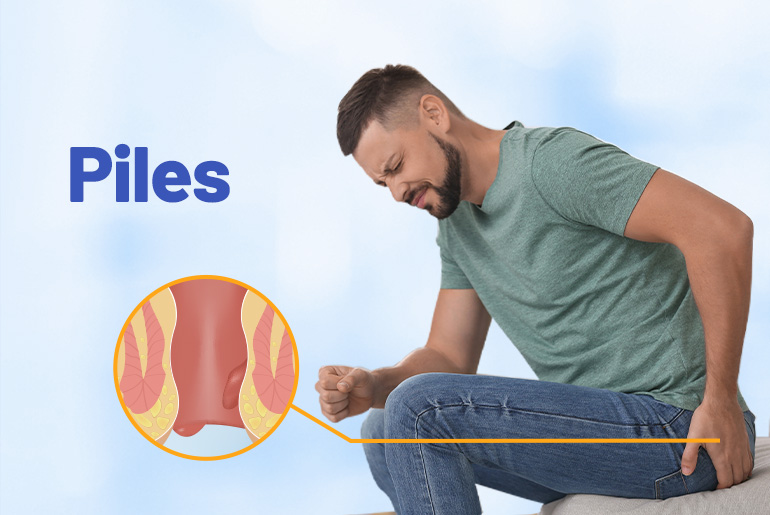
Hemorrhoids, or piles as many people know them, are a common issue that most experience at some point. These swollen veins in the rectum or anus may cause discomfort, pain, and even bleeding. It’s important to raise awareness about the condition and the treatment options available for relief. While many hemorrhoids can be managed with home remedies or over-the-counter treatments, sometimes surgery is needed for lasting relief.

In this guide, we will explain when surgery might be necessary, the types of surgeries available, what to expect during the procedure, and the potential risks involved.

When Should You Consider Surgery for Hemorrhoids? [1]

Most hemorrhoids can be treated with non-surgical methods like lifestyle changes, creams, or other remedies. However, there are certain situations where surgery might be the best way to get relief. So, when should you consider surgery for hemorrhoids?

  1. Persistent Pain or Discomfort: If you’ve tried different treatments but the pain or discomfort keeps coming back, it might be time to consult your doctor about surgery. Chronic pain that affects your daily life is a strong sign that surgery could help.
  2. Bleeding Hemorrhoids: If your hemorrhoids bleed often, it can be a concern. While minor bleeding may be controlled with other treatments, continuous or heavy bleeding may need surgical intervention to avoid further complications.
  3. Prolapsed Hemorrhoids: A prolapsed hemorrhoid happens when it pushes out through the anus and can’t go back in on its own. If this happens regularly and doesn’t improve with non-surgical treatments, surgery may be needed to resolve the issue.
  4. Failure of Non-Surgical Treatments: If you’ve tried various creams, lifestyle changes, or other remedies without seeing any improvement, surgery might offer a more lasting solution.
  5. Severe Hemorrhoids: Large, external hemorrhoids or thrombosed hemorrhoids (those with a blood clot inside) can be especially painful. In these cases, surgery is often the best option for relief.

Types of Hemorrhoid Surgery [2]

If you and your doctor decide that surgery is the best course of action, there are several types of procedures available, depending on the severity of your hemorrhoids and your specific needs. Here are some of the most common types of hemorrhoid surgery:

  1. Hemorrhoidectomy: This is the most common type of surgery for hemorrhoids. During a hemorrhoidectomy, the surgeon removes the hemorrhoid tissue. This option is usually recommended for large, external hemorrhoids or prolapsed internal hemorrhoids. It’s considered one of the most effective ways to prevent hemorrhoids from coming back.
  2. Stapled Hemorrhoidopexy: In this procedure, the hemorrhoid is stapled back into place inside the rectum. This surgery reduces the blood supply to the hemorrhoid, causing it to shrink. Compared to a hemorrhoidectomy, stapled hemorrhoidopexy is less painful and typically requires shorter recovery time.
  3. Hemorrhoid Banding (Rubber Band Ligation): Hemorrhoid banding is a less invasive option where a small rubber band is put around the base of the hemorrhoid. This blocks the blood flow, making the hemorrhoid shrink and eventually fall off. This is typically used for internal hemorrhoids and is often performed in a doctor’s office.
  4. Sclerotherapy: In this procedure, a chemical solution is injected into hemorrhoid to shrink it. Sclerotherapy is less invasive and is generally used for smaller internal hemorrhoids.
  5. Laser or Infrared Coagulation: This type of procedure uses laser or infrared light to cut off the blood supply to hemorrhoid. As a result, the hemorrhoid shrinks and eventually disappears. This option is less invasive than traditional surgery but may require multiple treatments for long-term relief.

What to Expect During and After Hemorrhoid Surgery [3]

Surgery for hemorrhoids is generally a simple procedure, but it’s helpful to know what to expect before and after. While your experience may vary depending on the type of surgery, here’s a general idea of what happens.

During the Surgery:

  • Most hemorrhoid surgeries are done on an outpatient basis, which means that you can go home the same day.
  • The procedure usually lasts less than an hour, although this can vary depending on the type of surgery.
  • You’ll receive anaesthesia, either to numb the area or put you to sleep, so you won’t feel any pain during the surgery.

After the Surgery:

  • There are chances of you feeling some discomfort or mild pain in the days following the surgery. Your doctor may prescribe pain relief medication to help with this.
  • It’s normal to experience some bleeding and swelling in the area where the surgery was performed, but these symptoms should gradually improve.
  • Depending on the surgery type and recovery time, most patients are able to resume to their regular activities in a week or two.

Risks and Complications [3]

While hemorrhoid surgery is generally safe, like any surgery, there are risks and potential complications to be aware of. Some of these include:

  1. Pain: After surgery, it’s common to feel some pain, especially during bowel movements. Your doctor may prescribe pain relief to help with this.
  2. Bleeding: Some bleeding after surgery is normal, but heavy or prolonged bleeding should be reported to your doctor.
  3. Infection: As with any other surgery, there is a risk of infection. Keeping the area clean and following your doctor’s post-surgery instructions can reduce this risk.
  4. Urinary Issues: In some cases, people experience difficulty urinating after hemorrhoid surgery. This is usually temporary and resolves within a few days.
  5. Recurrence: Although surgery can effectively remove hemorrhoids, there’s still a chance they could come back. Following a healthy diet and avoiding straining during bowel movements can help prevent recurrence.

Conclusion

Hemorrhoids can be quite painful and uncomfortable, but surgery isn’t always the first step. However, if your hemorrhoids are causing ongoing pain, bleeding, or other issues, and non-surgical treatments haven’t helped, surgery might be the next option to consider.

It’s essential to talk openly with your healthcare provider about your symptoms and concerns before making any decisions. They can help guide you toward the right treatment plan that will provide relief and improve your quality of life.

References:

[1] https://www.ncbi.nlm.nih.gov/books/NBK279465/#:~:text=Doctors%20also%20often%20recommend%20surgery,stapled%20hemorrhoidopexy%20or%20%22stapling.%22

[2] https://www.webmd.com/digestive-disorders/surgery-treat-hemorrhoids

[3] https://my.clevelandclinic.org/health/procedures/hemorrhoidectomy

Are you tired of the discomfort and pain that comes with piles? You’re not alone. Many people struggle with this common condition, but there is a natural and effective way to find relief. Fibre, a humble nutrient found in everyday foods, plays a very important role in preventing and managing piles. In this blog, you will learn how adding more fibre to your diet can make a significant difference in your digestive health and overall well-being.

What is the Role of Fibre in Piles?[1]

Fibre adds bulk to the stool and helps it pass more easily through the intestines. There are two types of fibre: soluble and insoluble.

  • Soluble fibre dissolves in water and forms a gel-like substance, which slows down digestion.
  • Insoluble fibre does not dissolve in water and adds bulk to the stool, aiding in its movement through the digestive tract.

Sources of Dietary Fibre[2]

Incorporating fibre into your diet is simple and can be achieved through a variety of foods. Here are some excellent sources of dietary fibre:

  • Fruits: Apples, bananas, oranges, and berries.
  • Vegetables: Carrots, broccoli, spinach, and sweet potatoes.
  • Whole Grains: Brown rice, oatmeal, and whole wheat bread.
  • Legumes: Lentils, beans, and chickpeas.
  • Nuts and Seeds: Almonds, chia seeds, and flaxseeds.

Preventing Piles with Fibre[3]

  • Regular Bowel Movements: One of the primary benefits of fibre is its ability to promote regular bowel movements. Regular bowel movements prevent the build-up of pressure in the rectal veins, reducing the risk of developing piles. A fibre-rich diet ensures that your digestive system works efficiently, making it less likely for you to experience constipation, a major contributing factor to piles.
  • Softens Stool: Fibre helps soften the stool by absorbing water, making it easier to pass. Hard, dry stools can lead to straining during bowel movements, which can cause or worsen piles. By consuming enough fibre, you can maintain soft, easily passable stools, reducing the strain on your rectal veins.

Managing Piles with Fibre[3]

If you are already experiencing piles, making dietary adjustments to include more fibre can help manage the condition. A high-fibre diet can alleviate symptoms such as pain, itching, and bleeding. Here are some tips to increase your fibre intake:

  • Start your day with a high-fibre breakfast, such as oatmeal topped with fruits and nuts.
  • Include plenty of vegetables in your meals, aiming for a variety of colours and types.
  • Snack on fruits, nuts, and seeds instead of processed snacks.
  • Choose whole grains over refined grains.

Fibre Supplements

In addition to dietary changes, fibre supplements can be helpful in managing piles. Supplements can provide the necessary fibre intake if you are unable to get enough from your food alone. However, it is always recommended to consult your healthcare provider before consuming these supplements.

Recommended Fibre Intake for Piles

The recommended daily intake of fibre varies depending on age and gender. On average, adult women should aim for about 25 grams of fibre per day, while adult men should aim for about 38 grams[4]. These recommendations can serve as a guideline for adjusting your diet to ensure adequate fibre intake.

Sample High-Fibre Diet Plan[5]

To help you add more fibre into your diet, here’s a sample high-fibre diet plan:

Breakfast:

  • Oatmeal cooked with milk, topped with chopped apples, almonds, and a sprinkle of chia seeds.
  • A glass of freshly squeezed orange juice.

Mid-Morning Snack:

  • A bowl of mixed fruits such as papaya, guava, and pomegranate.

Lunch:

  • Brown rice or whole wheat roti.
  • A serving of dal (lentil soup) and a vegetable curry made with spinach, carrots, and peas.
  • A side salad with cucumbers, tomatoes, and a lemon dressing.

Afternoon Snack:

  • A handful of roasted chickpeas or a small bowl of yoghurt with flaxseeds.

Dinner:

  • Quinoa or whole wheat pulao.
  • A serving of mixed vegetable curry with beans, cauliflower, and sweet potatoes.
  • A side of sautéed greens such as spinach or methi (fenugreek leaves).

Before Bed:

  • A small bowl of fruit salad or a few pieces of dried figs.

Conclusion

Incorporating more fibre into your diet is a natural and effective way to prevent and manage piles. Start making these changes today to experience the benefits of a healthier, more comfortable life.

Reference Links:

[1] https://www.mayoclinic.org/healthy-lifestyle/nutrition-and-healthy-eating/in-depth/fiber/art-20043983#:~:text=Soluble%20fiber.,%2C%20carrots%2C%20barley%20and%20psyllium.
[3] https://www.news-medical.net/health/Prevention-of-piles-(Haemorrhoids).aspx
[4] https://www.medicinenet.com/how_can_i_eat_25_grams_of_fiber_a_day/article.htm#:~:text=According%20to%20the%20American%20Heart,may%20need%2030%2D38%20grams.
[5] https://www.healthifyme.com/blog/high-fibre-diet/
https://www.lybrate.com/topic/high-fiber-diet
https://www.prevention.com/food-nutrition/a20516445/high-fiber-diet-plan/
https://www.medicalnewstoday.com/articles/hemorrhoids-high-fiber-diet#foods-to-eat
https://www.niddk.nih.gov/health-information/digestive-diseases/hemorrhoids/eating-diet-nutrition
https://www.guysandstthomas.nhs.uk/health-information/piles-haemorrhoids/lifestyle-changes#:~:text=Eat%20a%20high%20fibre%20diet&text=Eating%20lots%20of%20high%2Dfibre,muesli%2C%20oats%20and%20bran%20flakes

Introduction

When two body cavities or a body cavity and skin connect abnormally, they form a fistula. A fistula can be formed in many parts of the body, namely between the cervix and vagina, the neck and the throat, an artery, and a vein, the bowel and vagina, stomach and skin surface, anus and skin surface, skull space, and nasal sinus. These fistulas could be open (one end open), complete (both ends open), incomplete (closed inside), or horseshoe (connecting the anus to the skin surface). Some fistulas may heal on their own, while some may not. The treatment depends on the type, location, cause, and severity of the condition.

An anal fistula is one such types of fistula that most commonly affect men. Following an infected anal gland that does not heal, it needs surgical treatment for its cure.

The present blog provides insight into the meaning, causes, symptoms, diagnosis, and treatment of anal fistula for a better understanding of the condition.

What is an Anal Fistula?

An anal fistula, also known as a Fistula-in-Ano, is an abnormal connection between the surface of the skin of the bullock and the anal canal in the colon. It is a tunnel running from inside the anus to the skin surface around it. An anus is an opening at the end of the digestive tract that gets rid of the solid waste of the body. Anal fistula affects the internal and/or external anal sphincters (muscles).

What Causes Anal Fistula?

An infection in the anal gland is the primary cause of anal fistula. This infection causes an abscess. An abscess is a tender mass over skin filled with pus and bacteria, painful and warm to feel.

The other cause of anal fistula includes –

  • an injury or surgery in the anus,
  • radiation therapy in the pelvic region,
  • tuberculosis (infection in the lungs),
  • Crohn’s disease (inflammation of the digestive tract),
  • ulcerative colitis (inflammation of the large intestine) or
  • sexually transmitted diseases.

Symptoms of Anal Fistula?

Anal fistula symptoms require immediate medical consultation and intervention for its treatment. Some of the symptoms of anal fistula are-

  • Fever
  • Swelling and redness around the anus,
  • Pain during bowel movement or urination
  • Fowl smelling pus or watery discharge from the abscess
  • Bleeding

How is Anal Fistula Diagnosed?

The diagnosis of anal fistula starts with medical history and physical examination of the patient. Some fistulas can be easily spotted, and the doctor may examine through the oozing blood fluid.

For those that are closed, the doctor may need to find the inside source of the fistula. For this, they may use an anoscope or a proctoscope to examine the anal canal. The patient is put on anesthesia during the examination. 

The use of special dye to find the internal source of the anal fistula is also resorted to by the doctor. For this, the doctor injects a special dye that would react with the infection, creating bubbles at the injection site.

Ultrasound and MRI are some of the imaging studies that the healthcare provider may conduct for the diagnosis of anal fistula.

Treating Anal Fistula

The treatment for anal fistula depends on the severity of the condition and the type of fistula. Before arriving at the decision for anal fistula surgery, the healthcare provider may try to treat it with medications. However, spontaneous healing may cause the fistulas to reopen if there is infection again. The treatment varies depending on whether the fistula is simple or complex. Simple fistula has less muscle involved that needs to be treated. Complex fistula treatment requires addressing more muscle damage. The treatment options for fistula are-

  • Fistulotomy– Fistulotomy is the most common one-time surgery for simple fistulas. The surgeon cuts through the fistula, opens the infected area, and removes the damaged muscle.
  • Seton drain– For complex fistulas, the surgeon uses a surgical thread called the seton that keeps the fistula open and helps drain the infection. The seton is passed from the opening of the fistula through its track out to the anus with a loop at the end. It acts as a wick to drain the infection and heal the fistulas. Later, it may be closed with a fistulotomy. A seton is generally required to be removed; however, in some cases, it might be placed for an indefinite time.
  • Endorectal advancement flap– The infection is accessed through the inside opening of the fistula and cut out. The opening is then covered with healthy tissue from the inside of the rectum above it. This flap of the healthy tissue is pulled down from the rectum to fill the opening. The infection drains out from the outside of the fistula opening. In some cases, there are chances of reoccurrence of infection and fistula, along with the risk of damaging the muscles.
  • LIFT- The procedure is known as the Ligation of the Intersphinteric Fistula Tract. It avoids cutting the sphincter muscles. The surgeon accesses the fistula between the internal and external muscles through an incision at the anal track opening and treats the infection, and then closes the incision with stitches.

Conclusion

Fistulas are not life-threatening; however, they may become life-challenging, affecting the patient’s quality of life. Anal fistulas usually need to be treated surgically depending on the severity and location of the fistula. A timely address requires an informed decision based on the risk assessment and successful surgical outcomes of the various treatment options. Living with a fistula is challenging, and its treatment varies depending on its severity and complexity. Immediate and timely medical intervention is the only way to treat it, enabling quality and healthy living.

References

https://my.clevelandclinic.org/health/diseases/14466-anal-fistula
https://www.mayoclinic.org/diseases-conditions/anal-fistula/symptoms-causes/syc-20352871
https://www.webmd.com/digestive-disorders/anal-fistula-overview
https://www.hopkinsmedicine.org/health/conditions-and-diseases/anal-fistula
https://www.pennmedicine.org/for-patients-and-visitors/patient-information/conditions-treated-a-to-z/fistula

Ever felt like stress has a way of making everything worse? From sleepless nights to headaches, stress can creep into all parts of life. But did you know it could also be affecting your digestive health and even making piles more severe? If you are dealing with piles, understanding how stress ties into this common condition might be the missing piece in managing it better.

What are Piles?

Piles are swollen veins in the lower rectum or anus that can cause discomfort, itching, pain, and bleeding. They are classified into two main types: internal piles, which occur inside the rectum, and external piles, which develop under the skin around the anus. Internal piles are generally less painful but can bleed, while external piles can be more painful and irritating .

Causes of Piles

  • Chronic constipation
  • Prolonged sitting
  • A low-fibre diet
  • Obesity
  • Pregnancy
  • Heavy lifting
  • Straining during bowel movements

Although these physical factors are well-known causes of piles, emotional and psychological factors like stress can also play a crucial role [1].

The Connection Between Stress and Piles

Stress and Digestive Health
When a person is stressed, the body’s natural “fight or flight” response is activated, leading to a series of physiological changes, including the slowing down of digestion. This can cause changes in digestive system leading to constipation, which is one of the primary triggers for piles. The longer food remains in the digestive tract, the more water is absorbed, making the stool harder and more difficult to pass. This leads to increased straining, which can aggravate or even cause piles[2] .

The Role of Cortisol
When stressed, the body releases cortisol, a hormone that activates body’s stress response. Elevated cortisol levels can have various negative effects on the body that weakens the immune system, increases inflammation, and affects blood flow. In the context of piles, heightened cortisol levels can exacerbate inflammation and swelling, making the condition more painful and harder to manage[3] .

Behavioural Impact of Stress
Stress can also lead to unhealthy behaviours that may worsen piles. People under stress often neglect their diet, opting for comfort foods that are low in fibre and high in fat and sugar. These dietary choices can lead to constipation and poor digestive health, directly impacting the severity of piles. Moreover, stress can cause people to skip meals, avoid drinking enough water, or neglect exercise—all of which can contribute to the development and worsening of piles.

Tips for Managing Piles and Stress Simultaneously

Eat a High-Fibre Diet: Including plenty of high-fibre vegetables and fruits in your diet along with whole grains can prevent constipation.

Stay Hydrated: Drinking at least 8-10 glasses of water daily can keep stools soft and easier to pass, preventing strain on the rectal veins.

Practice Mindfulness: Mindful activities such as deep breathing exercises, meditation, and yoga can reduce stress and improve overall mental health, aiding in better digestive health.

Stay Active: Physical activity, such as walking, swimming, or cycling, can reduce stress and improve bowel movements, helping prevent and manage piles.

Avoid Prolonged Sitting: Long periods of sitting can increase pressure on the rectal area, worsening piles. Take frequent breaks to stand and stretch.

Use Relaxation Techniques: Stress-relieving practices such as progressive muscle relaxation, guided imagery, and aromatherapy can help manage stress levels effectively.

Conclusion

Managing piles is more than just dealing with the physical symptoms—it is about taking care of your overall well-being. Ready to take a step toward a healthier life? Start today with these simple tips, and feel the relief and comfort you deserve!

[1] https://www.mayoclinic.org/diseases-conditions/hemorrhoids/symptoms-causes/syc-20360268
[2] https://www.henryford.com/blog/2021/07/how-stress-affects-digestion#:~:text=That%20includes%20digestion.,experience%20bowel%20urgency%20or%20diarrhea.
[3] https://my.clevelandclinic.org/health/articles/22187-cortisol

What Is Rectal Cancer?
Rectal cancer develops in the rectum, a chamber between the end of the large intestine and the anus. It usually starts as a growth on the inner lining of the rectum and can spread to other body parts if left untreated. Symptoms of rectal cancer may include changes in bowel habits, rectal bleeding or blood in the stool, abdominal discomfort, and unexplained weight loss.

Diagnosis and Staging of Rectal Cancer
Diagnosing rectal cancer involves a combination of tests and procedures that help identify cancer cells in the rectum. Standard diagnostic tests include a digital rectal exam, colonoscopy, CT scan, MRI, and biopsy. These tests help determine the location and size of cancer and whether it has spread to nearby tissues or organs. In addition, the staging of rectal cancer is crucial in determining the most appropriate treatment options. The TNM staging system is used to stage rectal cancer based on tumour size, lymph node involvement, and distant metastases.

Treatment Modalities for Rectal Cancer in India
The treatment of rectal cancer typically involves a combination of surgery, radiation therapy, and chemotherapy. The choice of treatment modality depends on the cancer stage, the tumour’s location, and the patient’s overall health. The treatment modality includes- 

  • Surgery: Surgery is the most common treatment modality for rectal cancer. It is a highly effective treatment, mainly when the cancer is detected early. The benefits of surgery include the removal of cancerous tissue and the prevention of cancer recurrence. It involves the removal of the cancerous tumour along with surrounding tissues and lymph nodes. The type of surgical procedure used depends on the stage and location of cancer.
  • Radiation Therapy: Radiation therapy is a treatment modality that uses high-energy radiation to kill cancer cells. It is usually applied with surgery to kill any remaining cancer cells that may not have been removed during surgery. The benefits of radiation therapy include the destruction of cancer cells and the prevention of cancer recurrence.
  • Chemotherapy: As a treatment modality, chemotherapy uses drugs to kill cancer cells. It is typically used with surgery and radiation therapy for advanced-stage rectal cancer or when cancer has spread to other body parts. Chemotherapy drugs can be administered orally or intravenously. It can help shrink tumours, prevent cancer recurrence, and slow the progression of advanced-stage cancer. Chemotherapy can also improve the patient’s quality of life by relieving symptoms and reducing pain.

Choosing the Right Treatment Modality for Rectal Cancer
Choosing the suitable treatment modality for rectal cancer depends on several factors, including the cancer stage, the tumour’s location, the patient’s overall health, and preferences.

Conclusion
Rectal cancer is a significant health concern in India, and early detection and treatment are crucial for successful outcomes. With early detection and proper treatment, rectal cancer can be successfully treated, and patients can go on to live healthy and fulfilling lives.

FAQs
Q: What is the most common treatment modality for rectal cancer?
A:
 Surgery is the most common treatment modality for rectal cancer. Different surgical procedures may be used depending on the stage and location of the tumour.

Q: Can chemotherapy be a standalone treatment modality for rectal cancer?
A:
 Chemotherapy is rarely used as a standalone treatment modality for rectal cancer. It is usually used with other treatments, such as surgery and radiation therapy, to improve outcomes.

Q: Which factors should be considered when selecting a treatment modality for rectal cancer?
A:
 Several factors should be considered when selecting a treatment modality for rectal cancer, including the stage of cancer, the location of the tumour, the patient’s overall health, and the patient’s preferences and values.

Reference links:
https://www.cancercenter.com/cancer-types/colorectal-cancer/types/care-at-city-of-hope#:~:text=Rectal%20cancer%20occurs%20when%20cells,with%20colorectal%20cancer%20is%2068.
https://www.cancer.gov/types/colorectal/screening-fact-sheet
https://www.cancer.org/cancer/colon-rectal-cancer/treating/rectal-surgery.html