Category

Hernia

Category

Have you ever heard someone say that only men get hernias? Or that all hernias need surgery? These are just a couple of the many myths floating around about hernias. It’s easy to be misled by misinformation, especially when it comes to health. Understanding the facts about hernias can make a significant difference in how we approach prevention and treatment. Let’s clear up these common misconceptions.

Myth 1: Hernias Only Occur in Men

Clarification and Facts: While it is true that men are more likely to develop certain types of hernias, such as inguinal hernias, women and children are not immune to this condition. Hernias can occur in anyone, regardless of gender or age. For instance, umbilical hernias are more common in infants and pregnant women, while femoral hernias tend to occur more frequently in women owing to the wider shape of the female pelvis.

Myth 2: All Hernias Require Surgery

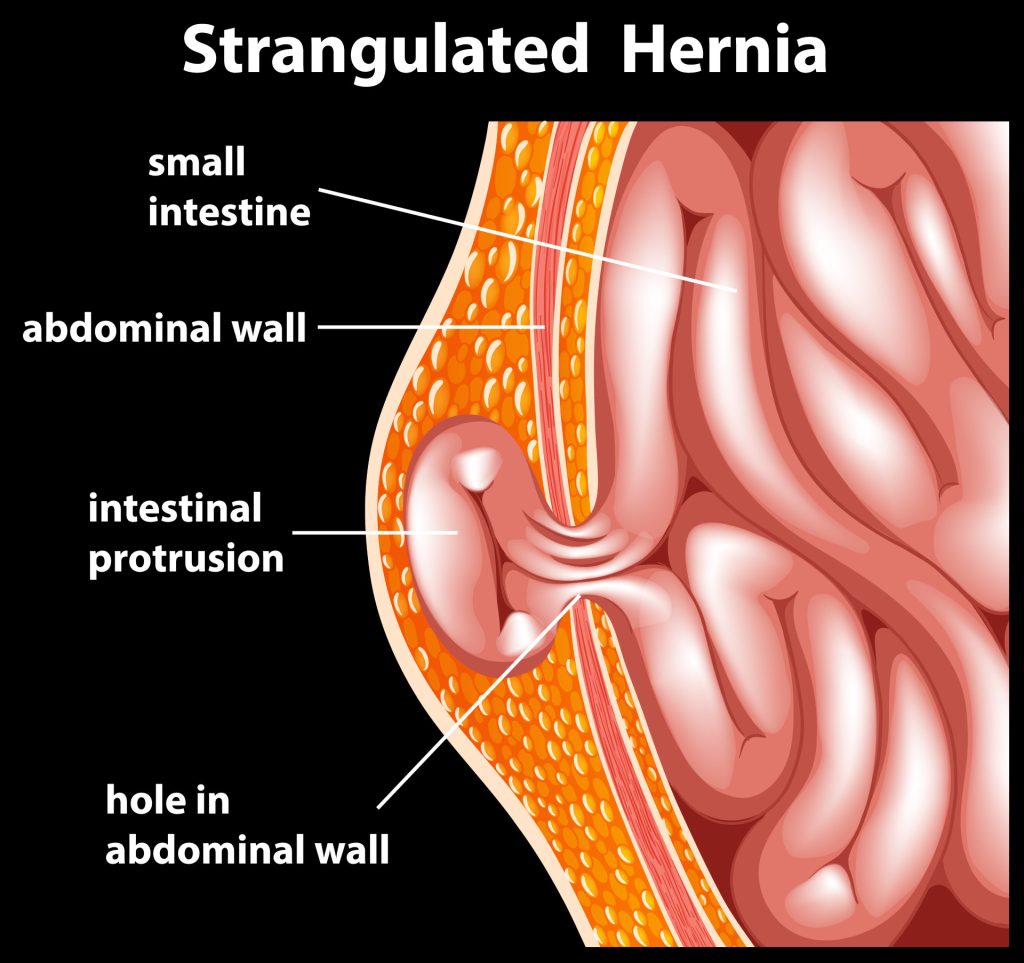
Explanation: Not all hernias require immediate surgical intervention. The decision to undergo surgery depends on multiple factors like the size and location of the hernia, symptoms, and complications. Some small and asymptomatic hernias can be monitored through a watchful waiting approach. However, surgery becomes necessary if there is a risk of complications such as strangulation, where the blood supply to the herniated tissue is cut off, or incarceration, where the hernia becomes trapped and cannot be pushed back in.

Myth 3: Hernias Are Always Painful

Variability of Symptoms: Hernia pain can vary greatly in intensity, from mild discomfort to severe pain. It depends on the type and severity of the hernia.

Symptoms to Watch For: Apart from pain, other symptoms of a hernia include a visible bulge in the affected area, heaviness or pressure, and discomfort that worsens with activities such as lifting, bending, or coughing. Look out for these signs and seek medical advice if you suspect a hernia.

Myth 4: You Can Push a Hernia Back In Yourself

Risks of Self-Treatment: Attempting to push a hernia back in manually can be dangerous and is not recommended. This practice, known as reduction, can lead to serious complications.

Recommended Action: If you suspect you have a hernia, it is crucial to seek medical attention. A healthcare provider can perform a proper evaluation and recommend a suitable treatment plan.

Myth 5: A Truss or Belt Can Cure a Hernia

Effectiveness and Limitations: While trusses and belts may provide temporary relief from the symptoms of a hernia, they do not address the underlying cause. These devices work by applying pressure to the hernia, which can help reduce discomfort and prevent the hernia from protruding. However, they do not offer a permanent solution and should not be relied upon as a cure.
Medical Advice: Before using any supportive devices, it is important to consult with a healthcare provider.

Myth 6: Exercising With a Hernia Is Safe

Safe vs. Unsafe Activities: Exercising with a hernia can be safe, but it is important to choose the right activities. Low-impact exercises such as walking, swimming, and yoga can be beneficial without putting excessive strain on the hernia[6]. However, high-impact activities and exercises that involve heavy lifting or intense abdominal strain should be avoided.
Preventive Measures: When exercising with a hernia, it is crucial to listen to your body and avoid any movements that cause discomfort.

Myth 7: Hernias Are Caused Solely by Heavy Lifting

Broader Causes: While heavy lifting is a common cause of hernias, it is not the only factor. Other causes include chronic cough, obesity, and conditions that increase abdominal pressure, such as constipation and pregnancy[1]. Hernias can also result from a combination of these factors.
Risk Reduction Strategies: To reduce the risk of developing a hernia, it is important to maintain a healthy weight, practice proper lifting techniques, avoid smoking (to reduce chronic cough), and ensure a balanced diet rich in fibre to prevent constipation. Additionally, engaging in regular exercise to strengthen the core muscles can help support the abdominal wall.

Conclusion

Understanding the facts about hernias is crucial in managing and preventing this condition effectively. By debunking these common myths, we hope to provide you with a clearer understanding of hernias and the importance of seeking appropriate medical advice.

[1] https://my.clevelandclinic.org/health/diseases/15757-hernia
[2] https://www.mayoclinic.org/diseases-conditions/umbilical-hernia/symptoms-causes/syc-20378685
[3] https://www.parents.com/pregnancy/my-body/aches-pains/pregnancy-symptoms-complaints-umbilical-hernia/#:~:text=Umbilical%20hernias%20are%20a%20common,during%20pregnancy%20or%20after%20delivery.
[4] https://www.nhs.uk/conditions/femoral-hernia-repair/#:~:text=It%20pushes%20through%20a%20weak,hernias%20are%20rare%20in%20children.
[5] https://www.medicalnewstoday.com/articles/320888#:~:text=A%20strangulated%20hernia%20occurs%20when,Any%20hernia%20can%20become%20strangulated.
[6] https://www.nghs.com/2021/04/12/can-i-exercise-when-i-have-a-hernia
[7] https://ketteringhealth.org/5-tips-for-preventing-a-hernia/
Hernias are a common medical condition affecting millions of individuals worldwide, including a substantial number in India. In a world driven by cutting-edge advancements, hernia mesh emerges as a true beacon of progress in hernia treatment. It’s more than just another medical device; it’s a transformative solution that has strengthened the fight against hernias, offering enhanced outcomes and newfound relief to patients in need.
Embark with us as we explore the significance of hernia mesh, understand its significance, the factors influencing its selection, and the benefits it brings to hernia repair surgeries.

What is Hernia Mesh?

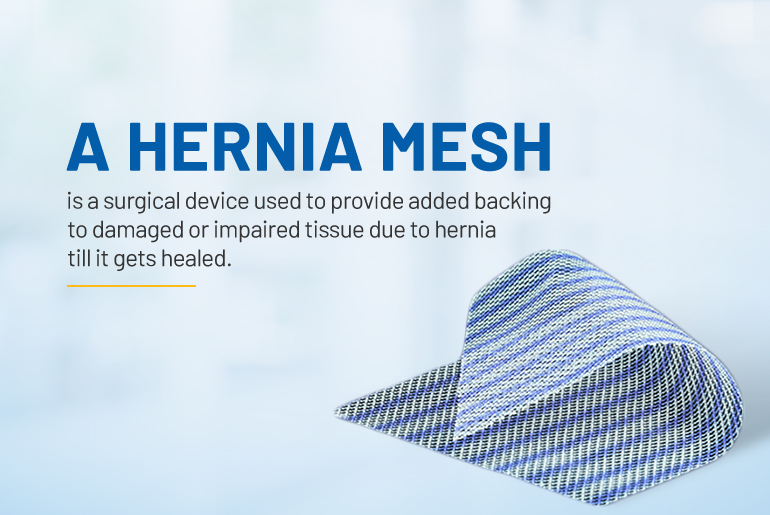
It is a medical device used in hernia repair surgeries to support and reinforce the weakened abdominal wall. Usually made of synthetic materials, such as polypropylene or bioabsorbable substances, mesh implants are available in various sizes and shapes. The primary objective of hernia mesh is to close the defect or weakened area effectively, reducing the chances of hernia recurrence and postoperative complications.

Factors Influencing Mesh Selection

Hernia Type and Location: One of the crucial factors that influence mesh selection is the type and location of the hernia. There are various types of hernias, including inguinal, ventral, umbilical, and incisional hernias, each requiring a different approach. Mesh selection must be tailored to the specific type and location of the hernia to ensure optimal results.

Patient’s Medical History: A patient’s medical history can help determine certain medical conditions, and previous surgeries may impact the choice of mesh material or affect the surgical approach. It is essential for the healthcare provider to thoroughly assess the patient’s medical history to make informed decisions regarding mesh selection.

Mesh Size and Shape Considerations: The size and shape of the hernia mesh are critical factors in providing adequate coverage and support to the hernia site. Surgeons must carefully evaluate the dimensions of the hernia defect to choose a mesh that fits precisely and promotes proper healing.

Impact of Surgical Approach on Mesh Selection: The surgical approach employed for hernia repair, whether laparoscopic or open surgery, also influences mesh selection. Laparoscopic procedures often require specially designed meshes that can be inserted through small incisions and positioned accurately. On the other hand, open surgeries may allow for more extensive mesh options.

Benefits of Mesh in Hernia Repair

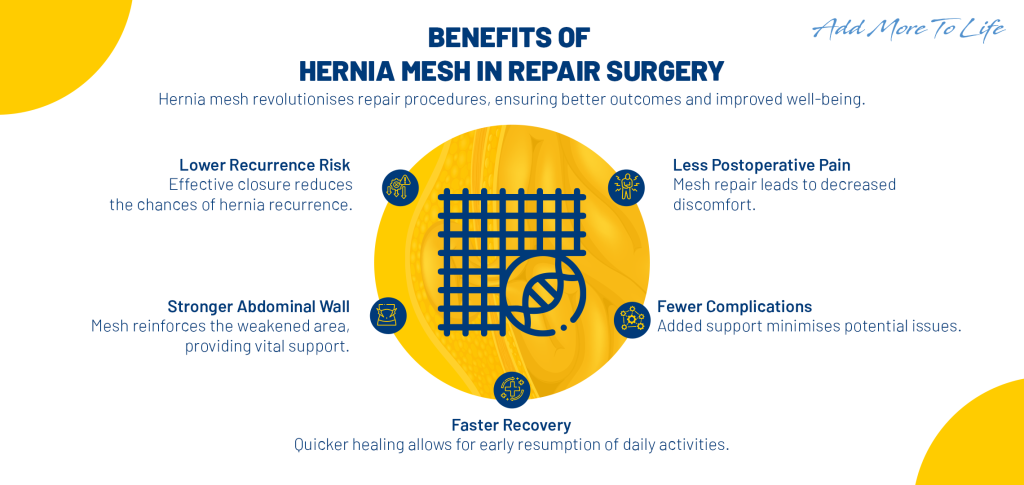
Strengthening of the Abdominal Wall: One of the primary benefits of using hernia mesh in repair surgeries is its ability to strengthen the abdominal wall. By providing additional support to the weakened area, the mesh helps prevent organ or tissue protrusion, reducing the chances of recurrence.

Reducing the Risk of Hernia Recurrence: Hernia recurrence is a significant concern for both patients and healthcare providers. The use of mesh in hernia repair has displayed promising results in reducing the risk of recurrence, contributing to more successful long-term outcomes.

Minimising Postoperative Pain and Complications: Mesh repair has resulted in decreased postoperative pain compared to traditional non-mesh repairs. Additionally, the reduced tension on the sutured tissues and the added support provided by the mesh can potentially lower the risk of complications.

Faster Recovery: The use of hernia mesh in repair surgeries has been linked to faster recovery times. As the mesh reinforces the abdominal wall, patients may experience quicker healing, allowing them to resume their daily activities sooner than with traditional repair methods.

Wrapping It Up

Hernia mesh has undoubtedly transformed the landscape of hernia repair surgeries, providing patients with enhanced outcomes and reducing the risk of complications. However, it is vital to remember that not all hernias require mesh, and skilled healthcare professionals must carefully evaluate each case.

FAQs

Q: What is hernia mesh, and how does it contribute to hernia repair?

A: Hernia mesh is a medical device made of synthetic or animal-derived materials used in hernia repair surgeries. Its primary purpose is to provide additional support and reinforcement to the weakened abdominal wall, effectively closing the hernia defect. By doing so, hernia mesh helps strengthen the area and reduces the risk of hernia recurrence.

Q: How does the type and location of the hernia influence the choice of mesh?
A: The type and location of the hernia are crucial factors that impact mesh selection. Different hernia types, such as inguinal, ventral, umbilical, and incisional hernias, may require specific approaches. The mesh chosen must be tailored to fit the unique characteristics of the hernia, ensuring optimal results.

Q: How does hernia mesh contribute to a faster recovery and return to daily activities?
A: Hernia mesh repair has been associated with faster recovery times compared to traditional non-mesh repairs. By providing additional support to the weakened area, the mesh promotes quicker healing, reducing the time needed for patients to resume their daily activities.

Q: Does every hernia repair require the use of mesh?
A: While hernia mesh has shown numerous benefits in hernia repair surgeries, not all hernias require mesh. The decision to use hernia mesh should be based on careful evaluation by skilled healthcare professionals. Factors such as the type of hernia, the patient’s medical history, and the surgical approach will determine whether hernia mesh is necessary for optimal outcomes.

https://www.fda.gov/medical-devices/implants-and-prosthetics/surgical-mesh-used-hernia-repair
https://www.sciencedirect.com/science/article/pii/S2666138120300025
https://surgery.wustl.edu/the-truth-about-hernia-mesh/
https://www.nghs.com/2020/11/19/importance-of-using-mesh-in-hernia-repair-surgery

Introduction

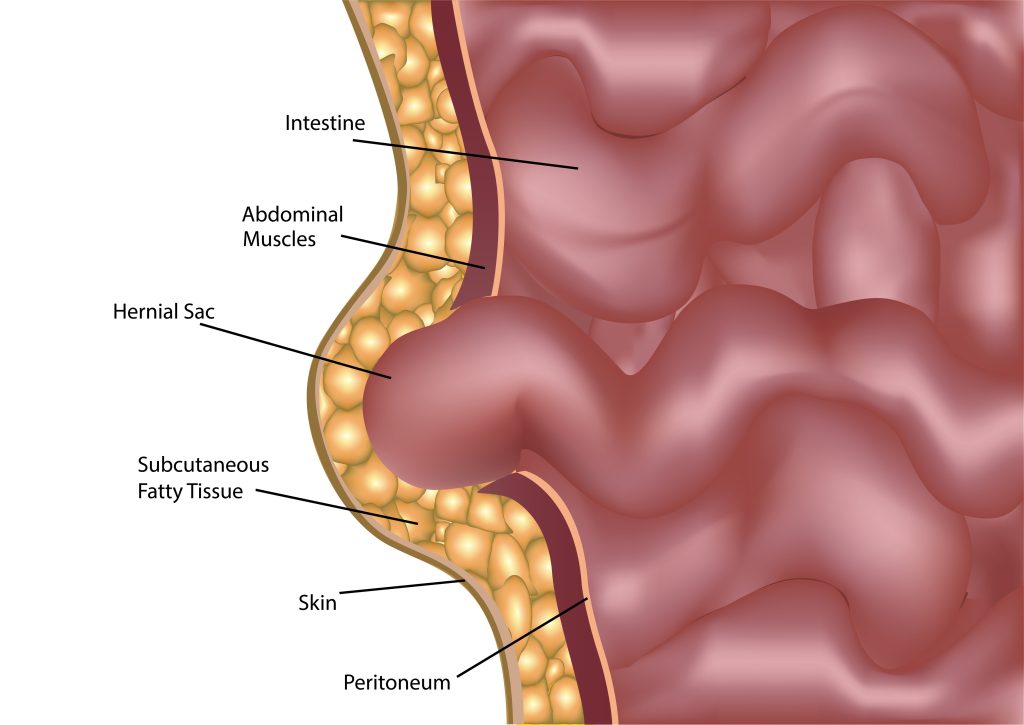
Hernias are a prevalent health condition that impacts millions of individuals globally. This medical condition happens when an internal organ or tissue protrudes through a vulnerable area in the muscle or tissue wall that encircles it. Hernias usually occur in the abdomen or the groin. They are often caused by ageing, strain, injury, or genetics. Hernias are formed by the lining of the abdomen cavity in the form of a sac, bulging out through an abnormal opening. In the past, open hernia surgery was the standard surgical option for treating hernias. However, with advancements in surgical technology, laparoscopic hernia repair has become increasingly popular. This blog will discuss the differences between open and laparoscopic hernia repair to help you decide the best surgical option.

Open versus Laparoscopic Hernia Repair:
Open hernia repair, or open surgical repair, involves a large incision (cut) in the skin and muscle to access and repair the hernia. During the procedure, the hernia sac is carefully pushed back into the abdomen, and the weakened or damaged area of the muscle or tissue wall is repaired or reinforced. After the repair, the incision is closed with stitches or surgical staples. Open hernia repair is done under local anesthesia.
 
Laparoscopic hernia repair, or minimally invasive, is a newer surgical procedure or option involving making a few small incisions in the abdomen instead of one large incision to repair or remove the hernia sac. A laparoscope is a thin tube with a camera and light attached that is inserted through one of the incisions. Using a laparoscope, the surgeon can view the inside of the abdomen. Additional incisions are made to insert the surgical instruments. The hernia sac is removed or pushed back into the abdomen depending on the need. The weakened or damaged area of the muscle or tissue wall is repaired or reinforced through one of the incisions. The incisions are closed with sutures. Laparoscopic hernia repair is done under general anesthesia

Advantages of Open Hernia Repair

  • Suitable for all types of hernias: Open hernia repair can treat all hernias, including inguinal, umbilical, incisional, and femoral hernias.
  • Straightforward procedure: The procedure is straightforward and can be performed quickly.
  • No specialised equipment needed: Open hernia repair does not require any specialised equipment, making it accessible to more patients.
  • Local anesthesia: Since open hernia repair is performed under local anesthesia, it is suitable for patients experiencing complications associated with general anesthesia risks.

Advantages of Laparoscopic Hernia Repair

  • Shorter recovery time: The recovery time for laparoscopic hernia repair is typically shorter than open hernia repair, as the small incisions take less time to heal. You can return to everyday life and activities sooner.
  • Less discomfort: Laparoscopic hernia repair causes less discomfort than open hernia repair, as the incisions are smaller and require less healing time.
  • Reduced scarring: The small incisions result in minimal scarring, which can be less unsightly for better cosmetic results and less discomfort. It also removes excess tissue and tightens the skin where the hernia is.

Disadvantages of Open Hernia Repair
Despite its effectiveness, there are several disadvantages associated with this procedure.

  • Longer recovery time: Open hernia repair requires a longer recovery time than laparoscopic hernia repair due to the larger incision and the need for the body to heal.
  • More pain and discomfort: Patients typically experience more pain and discomfort following open hernia repair due to the larger incision and the need for a more extended recovery period.
  • Scarring: The large incision can result in significant scarring, which can be unsightly and cause discomfort. Open hernia repair leaves a noticeable scar due to the large incision.
  • Risk of complications: Complications such as infection, bleeding, and blood clots are potential risks with any surgery.
  • Reduced mobility: Open hernia repair may reduce mobility and physical activity during recovery, potentially impacting daily activities and work.

Disadvantages of Laparoscopic Hernia Repair
Despite its many benefits, Laparoscopic hernia repair also has several disadvantages.

  • Longer operating time: Laparoscopic surgery typically takes longer than traditional open surgery due to the need for precise and delicate movements of the instruments.
  • Specialised equipment needed: Laparoscopic hernia repair requires specialised equipment, which may not be available at all medical facilities.
  • Technical difficulties: Laparoscopic surgery can be technically challenging, with the surgeon getting restricted movement to perform the surgery through tiny incisions.
  • Risk of complications: Although rare, there is a risk of complications during laparoscopic surgery, such as injury to surrounding organs, infection, bleeding, and blood clots.
  • Limited use: Laparoscopic surgery is unsuitable for all types of hernias and may be ineffective for repairing larger or more complex injuries.
  • Conversion to open surgery: In some cases, the surgeon may need to convert laparoscopic surgery into an open surgery, which involves a larger incision, due to complications during the procedure or difficulty in visualising the damaged area.

Conclusion

In conclusion, both open and laparoscopic hernia repair have advantages and disadvantages. Open hernia repair is a straightforward procedure that can be performed quickly and is suitable for all types of hernias. However, it has a longer recovery time, more discomfort, and can result in significant scarring. Laparoscopic hernia repair has a shorter recovery time, less discomfort, and reduced scarring. However, it requires specialised equipment and may not be suitable for all types of hernias. The best surgical option for you depends on your circumstances, pain threshold, and doctor’s recommendation. Discussing your options with your doctor and making an informed decision that is best for you is important.

FAQs
 
Q. How is open hernia repair different from laparoscopic hernia repair?
Open hernia repair involves a large incision in the skin and muscle to access and repair the hernia. In contrast, laparoscopic hernia repair involves several small incisions in the skin and using a laparoscope to repair the hernia.

Q. Which is better, open or laparoscopic hernia repair?
The best surgical option for you depends on your circumstances and the doctor’s recommendation. Both open and laparoscopic hernia repair have advantages and disadvantages, and your doctor will help you make an informed choice based on your specific needs.

Q. Is laparoscopic hernia repair less painful than open hernia repair?
Typically, laparoscopic hernia repair is less painful than open hernia repair as the incisions are smaller and take less time to heal. However, the level of discomfort and pain can vary from person to person.

Q. Is laparoscopic hernia repair a newer procedure compared to open hernia repair?
Yes, laparoscopic hernia repair is a newer surgical option than open hernia repair. It has only become popular with advancements in surgical technology.

Q. Is laparoscopic hernia repair more expensive than open hernia repair?
The cost of laparoscopic hernia repair may be higher than open hernia repair, as it requires specialised equipment. However, the cost can vary depending on location, insurance coverage, and other factors.

Q. Is the recovery time shorter after laparoscopic hernia repair than after open hernia repair?
Typically, the recovery time after laparoscopic hernia repair is shorter than open hernia repair, as the small incisions take less time to heal. However, the recovery time can vary from person to person.

References : 
https://www.drbramana.com/blog/open-hernia-surgery-laparoscopic-hernia-surgery/
https://www.ncbi.nlm.nih.gov/pmc/articles/PMC403835/
https://misjournal.net/article/view/4099
https://www.lifespan.org/centers-services/general-and-gastrointestinal-surgery/about-inguinal-hernias/open-surgery-versus

Introduction

An incisional hernia occurs when the muscles or tissues around a previous surgical incision site do not fully heal or may be due to some infection leaving a weakness in the abdominal wall. It occurs when the muscles or tissues in the area of the incision are weak or damaged, allowing a protrusion of abdominal contents through the weakened area and forming a bulge. Incisional hernias can be painful and cause discomfort or difficulty with physical activity. They can cause complications such as bowel obstruction if left untreated. In such a scenario, an incisional hernia repair is recommended. It is a surgical procedure used to treat a hernia that has developed at a previous abdominal incision site. This procedure aims to repair the weakened area of the abdominal wall and prevent the hernia from recurring.

Treatment of Incisional Hernia

Treatment for an incisional hernia typically involves surgery to repair the weakened abdominal wall area, called Incisional hernia repair. It is a surgical procedure to repair the weakness in the abdominal wall and return the protruding intestine or other abdominal contents to their normal position. The surgery is typically performed using general anesthesia. Depending on the individual case, it can be done through open or laparoscopic surgery. Open surgery involves a single large incision, while laparoscopic surgery uses several small incisions and specialised instruments. It is the size and location of the hernia and the patient’s overall health that determine the type of surgery. The surgical repair of an incisional hernia involves placing a strong, synthetic mesh over the weakened area of the abdominal wall. This mesh provides additional support and helps to hold the abdominal contents in place, reducing the risk of hernia recurrence. The mesh is usually secured to the surrounding tissue using sutures or special tacks.

During open surgery, the surgeon will make an incision in the abdominal wall to access the hernia and identify the hernia and repair the weakened area. The hernia sac is then carefully dissected away from the surrounding tissues, and the hernia defect is repaired. The surgeon may use sutures, mesh, or both to close the defect and strengthen the abdominal wall.
 
Laparoscopic surgery is less invasive as compared to open surgery. It involves making several small incisions in the abdomen using specialised instruments, including a laparoscope, a thin and flexible tube with a light, and a camera at the end used to have a view of the inside of the abdomen. During laparoscopic incisional hernia repair, the surgeon makes several small incisions in the abdominal wall and inserts the laparoscope and other instruments through the incisions. The hernia is repaired using similar techniques as in open surgery, but the smaller incisions and use of laparoscopy result in less pain and a faster recovery.
 
Regardless of the approach used, strengthening the abdominal wall and preventing the hernia from recurring are the main goals of incisional hernia repair. Recovery from incisional hernia repair surgery can take several weeks and may involve pain management, wound care, and physical therapy to help restore strength and mobility.

Risks and Complications

Incisional hernia repair surgery is generally considered safe and effective, but as with any surgery, there are potential risks and complications. The success rate for incisional hernia repair is high, with most patients experiencing a significant improvement in their symptoms. As with any surgical procedure, there is a risk of complications, including infection, bleeding, mesh rejection, allergic reactions to anesthesia, and damage to nearby organs or tissues. Discussing the potential risks and benefits of incisional hernia repair with a healthcare provider is essential to determine the best treatment plan.

Recovery

Recovery from incisional hernia repair typically takes several weeks. Patients may need to limit physical activity and avoid heavy lifting for some time to allow the incision to heal. Pain and discomfort can be managed with over-the-counter or prescription pain medication.

Lifestyle changes and the way forward

In addition to surgery, lifestyle changes can help prevent the development of incisional hernias or reduce the risk of recurrence. It is important to maintain a healthy weight, quit smoking, and manage any underlying medical conditions to reduce the risk of developing an incisional hernia or experiencing complications after surgery:

  • Maintaining a healthy weight: Excess weight can strain the abdominal muscles, increasing the risk of a hernia.
  • Avoiding heavy lifting: Lifting heavy objects can strain the abdominal muscles and increase the risk of a hernia.
  • Quitting smoking: Smoking can weaken the muscles in the abdominal wall and increase the risk of a hernia.

Conclusion

Recovery from incisional hernia repair surgery can take several weeks and may involve pain management, wound care, and physical therapy. Overall, incisional hernia repair is a safe and effective treatment option for individuals who have developed a hernia at the site of a previous abdominal incision. Suppose you are experiencing symptoms of an incisional hernia. In that case, you must talk to your doctor to determine the best treatment for your needs.

FAQs

Is incisional hernia repair major surgery?
Yes, incisional hernia repair is considered a major surgery requiring general anesthesia and usually involves making a large incision or a few smaller incisions, depending on the type of surgery in the abdominal wall to access and repair the hernia.
 
What causes an incisional hernia?
An incisional hernia can occur due to various factors, including improper healing after surgery, excessive strain on the abdominal muscles, and obesity.
 
How to know if one has an incisional hernia?
Symptoms of an incisional hernia may include a bulge or lump at the site of previous surgery, pain or discomfort in the abdominal area, and difficulty with physical activities.
 
Can an incisional hernia be prevented? 

The risk of developing an incisional hernia can be reduced by maintaining a healthy weight, avoiding activities that strain the abdominal muscles unnecessarily, and quitting smoking.
 
Is incisional hernia repair surgery risky?
As with any surgery, there are potential risks involved with incisional hernia repair. These may include infection, bleeding, and reactions to anesthesia. Your surgeon will discuss the risks and benefits of the procedure with you before the surgery.

What is the recovery time from incisional hernia repair surgery?
The recovery time after incisional hernia repair surgery will depend on the type of surgery performed and the individual patient. Generally, open surgery has a longer recovery time than laparoscopic surgery. Recovery from incisional hernia surgery typically takes several weeks, with most people able to return to normal activities after 4-6 weeks.
 

Will I have a scar after incisional hernia repair surgery?
Yes, you will have a scar after incisional hernia repair surgery. The size and location of the scar will depend on the type of surgery performed and the size of the hernia.
 
Can an incisional hernia return after surgery?
Most incisional hernias usually do not return after surgery. Still, about 5 percent of them come back in patients who have had a previous repair.
 
Is an incisional hernia serious?
Yes, an incisional hernia can be serious and potentially lead to complications if left untreated. It can cause pain, increase the risk of intestine obstruction, and lead to other problems if the hernia becomes incarcerated or strangulated.
 
What is the success rate of incisional hernia repair?
Incisional hernia repair success rate is generally high, with studies reporting success rates of 85-95%. However, the risk of hernia recurrence is higher for incisional hernias than other hernias. The success of the surgery depends on various factors, like the size and location of the hernia, the patient’s overall health, and the type of surgical repair performed.

References :
https://emedicine.medscape.com/article/1892407-overview
https://www.ncbi.nlm.nih.gov/books/NBK395550/

Hernia surgery is typically a very routine procedure to repair the hernia. In most cases, surgery becomes the only option to treat hernia since it does not get healed on its own. A surgeon performs incisions in the patient’s abdomen, removes the hernia sac or pushes it back into the abdomen, and closes the incision. The process is repeated on another side of the body if needed. The size of the incisions depends on the type of hernia surgery performed. In the case of open surgery, the cut is made at the location of the hernia into the body. In Laparoscopic Surgery, tiny holes are made to insert the surgical tools to perform the surgery. Robotic surgery is a newer technique of hernia surgery. It is similar to Laparoscopic Surgery except that in Robotic Surgery, the surgeon performs the surgical operations with the help of three dimensional images of the abdominal cavity, and robotic arms perform the procedure controlled by the surgeon from his console.

Robotic surgery offers surgeons a new way to approach these operations. There are several advantages of robotic surgery over traditional surgery. The first and foremost advantage is the precision, access to difficult locations inside the cavity, 3D view, motion control, AI-enabled decision making, comfort etc. and many more.

Robotic hernia repair is one of the surgical procedures using a robot to repair a hernia.

Advantages of having new-age techniques Hernia Surgery

Reduced infection: According to several studies, robot-assisted surgery can reduce the risk of infection by up to 80%, which is a common cause of surgical site infection-related death among patients undergoing traditional abdominal surgeries.

Reduced risk of injury: With traditional surgery, surgeons aren’t always sure if they injure a healthy organ. Robotic surgery, on the other hand, doesn’t have these risks.

Fewer surgeries: Another advantage of robotic surgery is the reduction in surgeries performed by surgeons. One study found that robotic hernia repair can cut the need for additional surgeries by as much as 86%.

Greater precision: Robotic Surgery can often achieve greater precision and accuracy than traditional surgery. This can result in less damage to a healthy organ and a shorter hospital stay.

Factors like the cost and availability of robotic systems currently limit their use in many countries. However, these costs may come down in the foreseeable future, allowing surgeons to perform more procedures with robotic technology. Also, robotic systems need to be properly maintained to function properly. This can be a challenge in some countries. The key advantage of robotic surgery is the precision and accuracy provided by the robot. This requires surgeons to use different techniques, which can take some time to master.

Steps followed by surgeons to perform robotic hernia repair

The laparoscope is the key to performing robotic hernia repair. The laparoscope is a thin tube with a camera at the end. A surgeon makes a small abdomen incision and inserts the laparoscope. Once the incision is made, the surgeon can view the abdomen and perform the surgery as if inside the patient’s body. To allow the surgeon to have a good view of the inside of the abdominal cavity, some space is created by inflating the abdomen using harmless gas. The tiny camera attached at the end of the laparoscope projects three-dimensional images of the three dimensional images on the screen. The robotic system used for robotic hernia repair includes a robotic arm and a surgical tool. The surgeon controls the robotic arm using a computer. After the incision is made, the surgeon can control the robotic arm to separate the hernia from the tissues around it. The surgeon gently removes the hernia sac or pushes it back into the abdomen. He then closes the incision.

FAQs

Can a hernia be repaired with robotic Surgery?

Robotic Surgery for Hernia Repair Robotic surgery is a new-age, state-of-the-art technique for repairing hernias where the surgeon is seated at a console and is aided by a robot for precision while the surgeon controls and handles the surgical instruments from the console. The room for error is massively reduced while the process offers three-dimensional images of the abdomen and ensures more minor scars and less pain.

What is the best way to repair a hernia?

With medical technology achieving significant leaps and bounds in terms of innovations with robotic and minimally invasive approaches, surgeons today can perform hernia repair surgery through tiny incisions resulting in quicker healing time, less infection, and more precision, unlike the large incisions associated with traditional Open Surgery.