
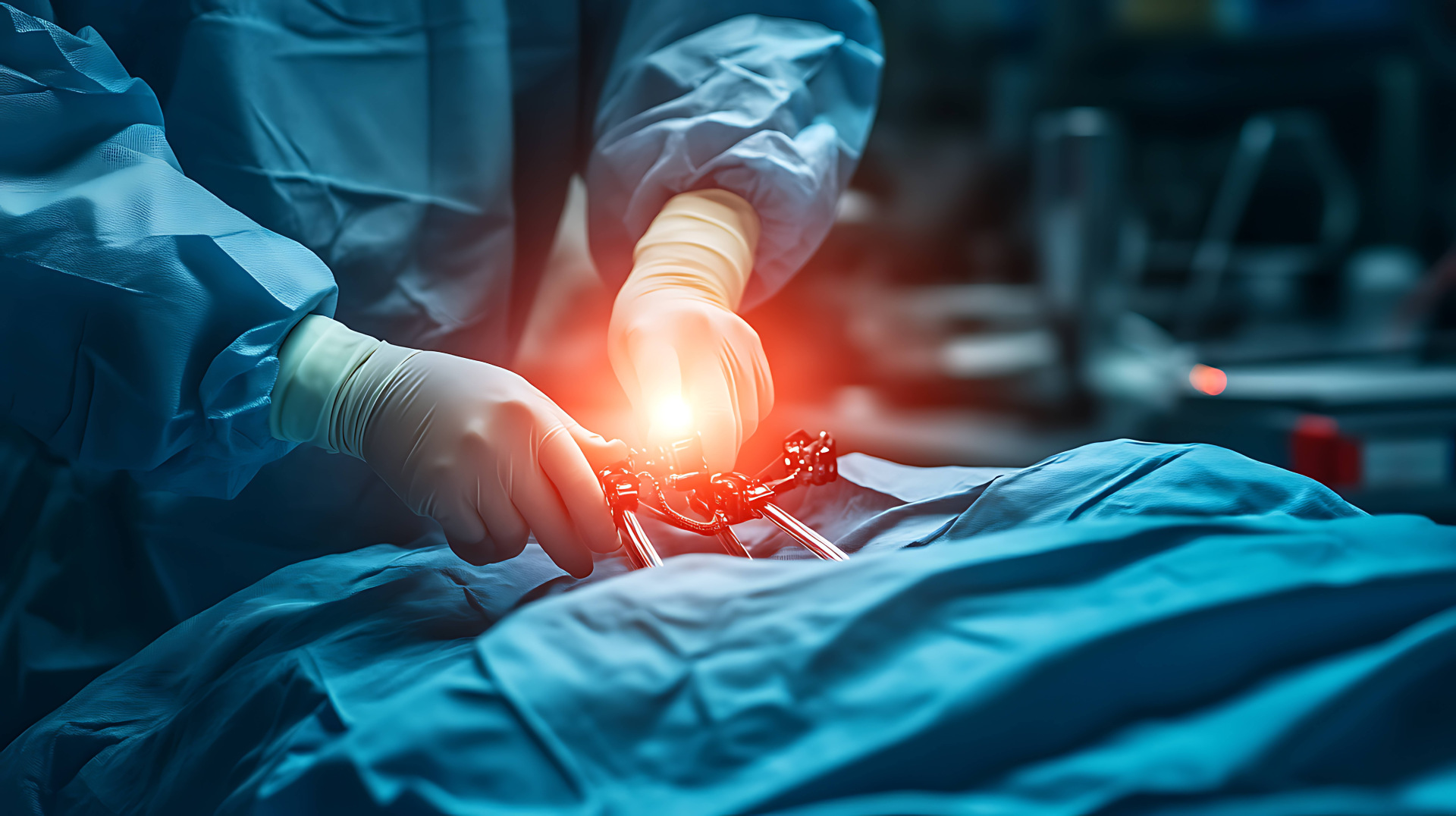
Are you curious about the medical techniques that allow patients to recover faster and experience less pain after surgery? If so, you’re in the right place. Minimally Invasive Surgery (MIS) is changing the way surgeries are performed, making them less invasive and more efficient. With smaller incisions, these procedures offer a range of benefits that are quickly making them the preferred choice for many patients and surgeons. Let’s explore how minimally invasive surgery works, its different types, and the remarkable benefits it brings to the table.
Types of Minimally Invasive Surgery
Minimally Invasive Surgery encompasses several techniques, each with its unique approach and benefits. Here, we will explore three primary types: laparoscopic surgery, robotic surgery, and endoscopic surgery
Laparoscopic Surgery[1] : Laparoscopic surgery is one of the most common forms of minimally invasive surgery. It involves making small incisions through which a laparoscope (a thin tube with a camera and light) is inserted. This allows surgeons to view the inside of the abdomen and perform the surgery with precision. This type of surgery is widely used for procedures such as gallbladder removal, appendectomies, and hernia repairs.
Robotic Surgery[2] : Robotic surgery takes laparoscopic surgery a step further by incorporating robotic systems. Surgeons control these robots using a console, which provides them with enhanced precision and flexibility. The robotic arms can make tiny, accurate movements, which are particularly beneficial for complex procedures such as prostate surgeries, cardiac valve repairs, and certain types of cancer surgeries.
Endoscopic Surgery[3] : Endoscopic surgery involves using an endoscope, a flexible tube with a camera, to examine and operate on internal organs and vessels. This type of minimally invasive surgery is commonly used for gastrointestinal procedures, such as removing polyps from the colon, treating gastroesophageal reflux disease (GERD), and performing biopsies. The endoscope can be inserted through natural openings in the body, such as the mouth or anus, eliminating the need for external incisions.
Benefits of Minimally Invasive Surgery[4]
Reduced Recovery Time: Since the procedures involve smaller incisions, there is less damage to the body’s tissues. This means the patients can return to their daily activities much sooner compared to traditional surgery.
Lower Risk of Infection: Smaller incisions reduce the exposure of internal organs to external contaminants, decreasing the likelihood of post-operative infections.
Less Pain and Scarring: Smaller incisions mean fewer nerve endings are affected, leading to reduced post-operative pain. Additionally, the scars left by minimally invasive procedures are much smaller and less noticeable, which is an important cosmetic advantage for many patients.
Improved Precision: The use of advanced technology in minimally invasive surgery, such as laparoscopes and robotic systems, allows for greater precision. Surgeons have a better view of the surgical area and can make more accurate movements. This improved precision reduces the risk of accidental damage to surrounding tissues and organs, leading to better surgical outcomes.
Common Applications of Minimally Invasive Surgery
Minimally Invasive Surgery is applied in various medical fields, offering significant benefits across a range of procedures. Below, we explore its use in cardiac, orthopedic, and gynecological surgeries.
- Cardiac Procedures
Minimally Invasive Surgery has transformed cardiac care, particularly in procedures like coronary artery bypass and valve repair.
- Coronary Artery Bypass: In this procedure, small incisions are made to access the heart, and a robotic system[5] assists in bypassing blocked arteries. The benefits include reduced trauma to the chest and a faster recovery period.
- Valve Repair: Robotic surgery[6] is often used to repair heart valves, providing the surgeon with enhanced precision and control. Patients benefit from less post-operative pain and a quicker return to normal activities.
2. Orthopedic Surgery
Orthopedic surgeries, such as joint replacements and spinal surgeries, have greatly benefited from minimally invasive techniques.
- Joint Replacements: Minimally invasive methods such as robotic surgeries[7] are used for hip and knee replacements, involving smaller incisions and special instruments. This approach leads to improved mobility and reduced post-operative pain.
- Spinal Surgery: Procedures like spinal fusion and disc removal are now performed using minimally invasive techniques. These endoscopic surgeries[8] involve smaller incisions, resulting in less muscle damage, shorter hospital stays, and quicker recovery times.
3. Gynecological Procedures
Minimally Invasive Surgery is also widely used in gynecology for procedures like hysterectomies and fibroid removal.
- Hysterectomy: Laparoscopic and robotic surgeries[9] are commonly used for removing the uterus. The smaller incisions result in less discomfort and a quicker return to normalcy compared to traditional methods.
- Fibroid Removal: Minimally invasive techniques such as robotic surgeries[10] are employed to remove fibroids from the uterus. This approach minimizes scarring and reduces recovery time, allowing patients to resume their daily activities sooner.
Conclusion
Minimally invasive surgery has revolutionized the field of medicine, offering numerous advantages over traditional surgical methods. As technology advances, we can expect this innovative approach to become even more refined, making surgeries safer and more effective for patients worldwide.
Reference Links:
[1] https://medlineplus.gov/ency/presentations/100166_1.htm#:~:text=Overview,%2C%20cut%2C%20and%20sew%20tissue.
[2] https://www.mayoclinic.org/tests-procedures/robotic-surgery/about/pac-20394974
[3] https://www.betterhealth.vic.gov.au/health/conditionsandtreatments/endoscopy
[4] https://my.clevelandclinic.org/health/procedures/minimally-invasive-surgery
[5] https://health.ucdavis.edu/surgery/specialties/cardio/coronary_bypass.html#:~:text=In%20cases%20of%20coronary%20artery,durable%20blood%20flow%20(revascularization).
[6] https://www.hopkinsmedicine.org/health/treatment-tests-and-therapies/roboticassisted-aortic-valve-repair#:~:text=Robotic%2Dassisted%20aortic%20valve%20repair%20is%20a%20type%20of%20minimally,to%20help%20fix%20the%20valve.
[7] https://www.ypo.education/orthopaedics/knee/robotic-total-knee-replacement-t693/video/#:~:text=Robotic%20total%20knee%20replacement%20is,to%20a%20traditional%20knee%20replacement.
[8] https://my.clevelandclinic.org/health/treatments/17235-minimally-invasive-spine-surgery
[9] https://www.hopkinsmedicine.org/health/treatment-tests-and-therapies/robotic-hysterectomy#:~:text=This%20is%20called%20a%20laparoscopic,robot’s%20movements%20steadily%20and%20precisely.
[10] https://www.hopkinsmedicine.org/health/treatment-tests-and-therapies/roboticassisted-myomectomy#:~:text=Robotic%2Dassisted%20myomectomy%20has%20some,to%20remove%20with%20another%20method.




Comments are closed.